
Practical Strategies on How to Stick to a Grocery Budget Amidst Inflation
Understanding the Impact of Inflation on Grocery Prices
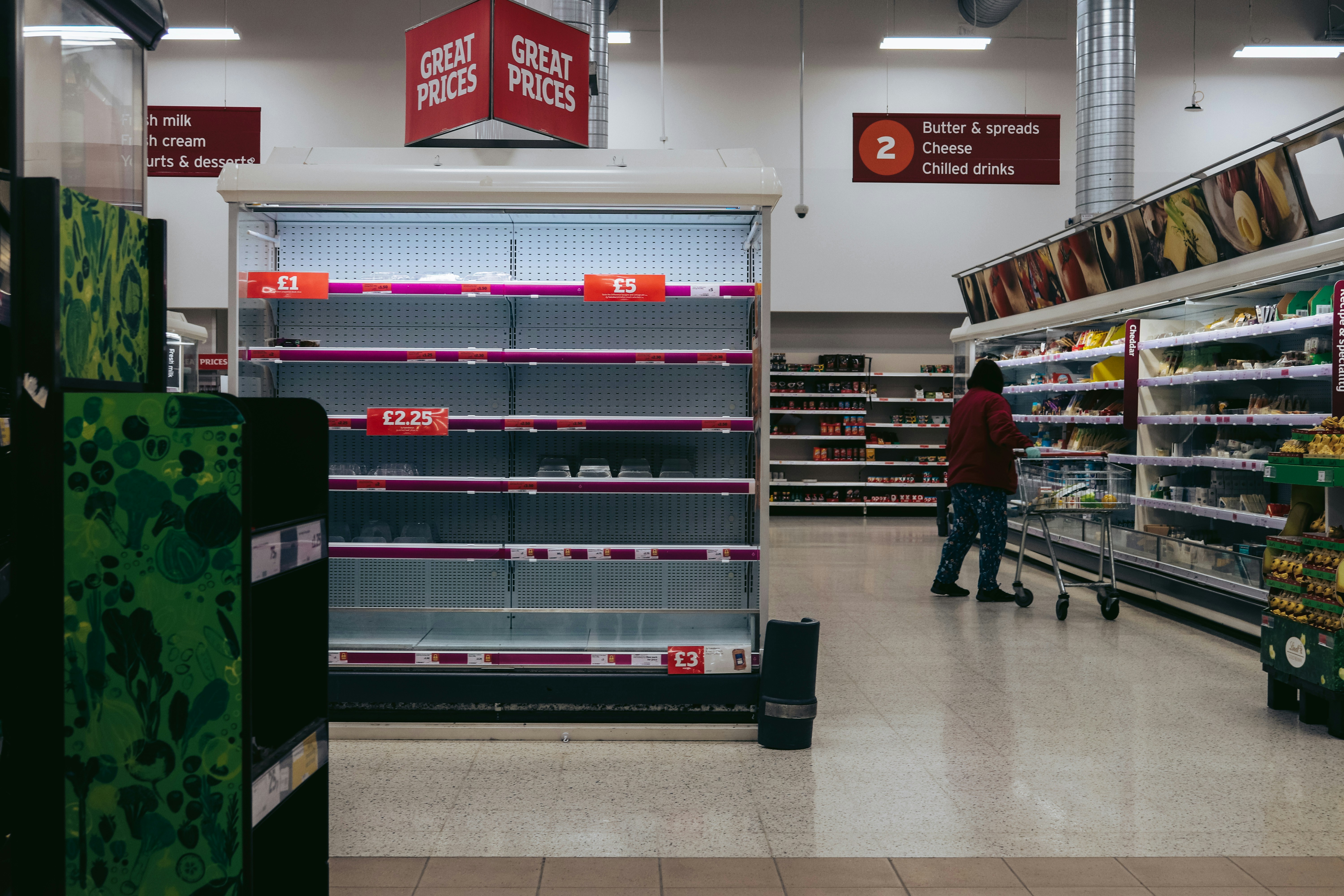
Inflation, a persistent increase in the general price level, significantly influences grocery prices worldwide. As economies experience inflationary pressures, the cost of essential goods, particularly food items, tends to rise. Various factors contribute to this phenomenon, including production costs, supply chain disruptions, and shifts in consumer demand.
One of the primary drivers of inflation in grocery prices is the increased cost of raw materials. Factors such as higher energy prices, labor shortages, and adverse weather conditions can lead to a reduction in agricultural output, pushing prices upward. For instance, extreme climate events can devastate crop yields, directly affecting the availability and price of fresh produce. Additionally, fluctuations in oil prices can result in higher transportation costs, which in turn escalate food prices as suppliers pass on increased expenses to consumers.
Furthermore, the globalized nature of food supply chains means that local price increases can often be traced back to international market trends. Economic policies, trade tariffs, and geopolitical tensions also play a crucial role in determining the accessibility and affordability of various food products. As countries navigate these complexities, price variations can become more pronounced, making it essential for consumers to understand the broader economic landscape.
Recognizing these inflationary trends is essential for effective grocery budgeting. Staying informed about which items are more likely to experience price spikes allows consumers to plan their grocery lists smartly, prioritize necessities, and make informed purchasing decisions. By understanding the underlying factors driving food prices, individuals can better navigate their budgets amidst an ever-changing economic environment.
The Importance of Meal Planning
Meal planning emerges as a vital strategy for consumers aiming to adhere to a grocery budget, particularly in the face of rising prices due to inflation. By allocating time to plan meals for the upcoming week, individuals can make informed decisions that not only minimize food waste but also reduce unexpected spending. It empowers consumers to prepare balanced meals that maximize nutrition while remaining cost-effective.
To initiate effective meal planning, individuals can start by selecting a variety of recipes that consider seasonal availability of ingredients and personal dietary preferences. This approach not only ensures a diverse menu but also helps to take advantage of lower prices associated with in-season produce. Moreover, balancing meals to include a mix of proteins, grains, and vegetables can enhance nutritional value while keeping costs at bay.
Once recipes have been selected, the next step involves crafting a shopping list that directly aligns with planned meals. By organizing the shopping list according to grocery store layouts, consumers can streamline their shopping experience and avoid purchasing unnecessary items. This step is crucial as impulse buys can derail even the most diligent budgeting efforts, especially in a time of high inflation when prices fluctuate frequently.
Additionally, meal planning allows for bulk purchasing of staple items, which can lead to significant cost savings. By planning meals around ingredients that can be bought in larger quantities or on sale, consumers can not only save money but also ensure they always have essential items on hand. Overall, meal planning serves as an effective tool for consumers, allowing them to maintain control over their grocery budget while adapting to the challenges posed by inflation.
Conducting a Pantry Audit
Conducting a pantry audit is an essential step in managing your grocery budget effectively, especially amidst rising inflation. By assessing what you currently have in your pantry and fridge, you can leverage existing ingredients in your meals, reducing both food waste and unnecessary spending. This process begins with a thorough inventory of your food supplies, including dry goods, canned items, frozen foods, and perishables.
Start by removing all items from your pantry shelves and refrigerator. This gives you a clear view of what you own, allowing you to check expiration dates and condition. Group items by category—grains, proteins, vegetables, and snacks—to better visualize your inventory. As you do this, note any items that are nearing their expiry or that you have in excess. Prioritizing these ingredients in your meal planning can help ensure they are used before they spoil.
Next, assess your pantry’s organization. Keep similar items together and make use of clear bins or labeled containers to streamline access. This not only enhances visibility but also makes it easier to track what you need when planning for your grocery trips. Regularly rotating products can also help ensure older items are used first. Storing ingredients in a way that maximizes both space and accessibility can lead to more efficient cooking and a better understanding of your resources.
Finally, by maintaining an ongoing inventory system, you can cultivate better habits in your grocery shopping. Periodically revisit and update your pantry audit, ideally every few months, to keep an accurate account of your food supplies. With fewer impulse buys and a focused meal plan based on available ingredients, you can successfully stick to your grocery budget without sacrificing quality or variety in your meals.
Setting a Realistic Grocery Budget
Establishing a grocery budget is a crucial part of managing household expenses, particularly during periods of inflation. The first step in this process is determining an amount that aligns with your income while adequately covering essential purchases. Begin by analyzing your previous grocery spending; review bank statements or use budgeting apps to capture your habits over the past few months. This historical data will serve as a baseline for your budgeting process.
Next, incorporate any necessary adjustments related to changes in income, family size, or dietary preferences. For instance, if you have recently welcomed a new family member or adopted a specific diet requiring specialty items, it’s vital to account for these factors. When allocating your budget, prioritize essential items such as fresh produce, proteins, and staples over non-essential goods. This approach not only reinforces healthy eating habits but also helps avoid unnecessary expenses.
Tracking your grocery expenses as you shop is another effective strategy for adhering to your budget. Keep a running tally of your purchases, whether through digital tools, spreadsheets, or a simple notebook. This real-time monitoring creates awareness and allows for immediate adjustments, helping you stay within your limits. Furthermore, review your spending regularly—bi-weekly or monthly—to analyze buying patterns. Identifying frequent purchases can inform your decisions regarding what to buy in bulk or what items can be substituted for cheaper alternatives.
Finally, remember that flexibility within your budget is essential. Life can be unpredictable, and occasional deviations may occur without derailing your overall financial goals. Adapting your grocery budget to reflect your current needs will enable you to manage your expenses proactively while still making room for necessary adjustments. This balanced approach empowers you to maintain control over your spending in a fluctuating economic landscape.
Creating a Strict Digital Shopping List
A digital shopping list is an essential tool when it comes to maintaining a grocery budget, especially in times of rising inflation. By utilizing a digital format, shoppers can create a structured list that helps prevent impulse purchases. Unlike traditional pen-and-paper lists, digital shopping lists can be easily updated, organized, and shared, all of which contribute to a more efficient shopping experience.
To begin with, it is important to categorize the items on your shopping list. Most grocery apps allow users to sort products into sections such as produce, dairy, and canned goods. This layered organization not only streamlines the shopping process but also ensures that all necessary items are accounted for, reducing the likelihood of unnecessary additional purchases.
Additionally, it is beneficial to incorporate a meal planning component when creating your digital shopping list. Planning meals for the week ahead allows you to list only those ingredients that are essential, thus avoiding any items that may lead to overspending. Moreover, many grocery apps offer features that suggest recipes based on the ingredients you have on hand, making it easier to plan meals that utilize what you already own.
Utilizing grocery apps also enables shoppers to take advantage of promotions and discounts, further supporting their budgetary goals. Some apps even provide real-time price comparisons for products across different stores, empowering users to make informed purchasing decisions. By keeping your shopping list digital, you can implement adjustments on the fly, making it easier to stick within your financial limits.
In conclusion, adopting a strict digital shopping list is a practical strategy for grocery management. It not only helps in curbing impulse purchases but also enhances overall shopping efficiency, allowing you to navigate through the challenges of inflation while adhering to your set budget.
Staying On Track While Shopping
Maintaining discipline while grocery shopping is crucial for sticking to a budget, especially amidst rising prices due to inflation. One effective strategy is to prepare a detailed shopping list before heading to the store. A well-constructed list not only acts as a guideline for needed items but also serves to minimize the probability of impulse buying. Impulse purchases can significantly undermine the best-laid budget plans, often leading to overspending. Thus, preparation becomes paramount.
A key tactic to avoid distractions is to shop during less busy hours. This reduces the chances of being swayed by flashy promotions and end-cap displays that are designed to lure customers into unnecessary purchases. Being in a crowded environment can lead to sensory overload and distract one from the primary goal of sticking to the grocery budget. Therefore, picking quieter times for shopping can enhance focus and self-discipline.
Additionally, understanding the psychology behind purchasing decisions can also aid in budget adherence. The grocery store is full of strategic placements and marketing techniques aimed at triggering emotional reactions. It is important to remain aware of these tactics and to actively combat them. For instance, establishing a mental threshold can be beneficial; if an item is not on your list, consider whether it is a genuine need or merely a want.
Another simple yet effective strategy is to shop on a full stomach. Research has suggested that individuals who shop while hungry tend to purchase more items, often choosing unhealthy options. By ensuring you have eaten prior to shopping, you can mitigate cravings and reduce the risk of unplanned purchases, contributing positively to your grocery budget.
Taking Advantage of Sales and Coupons
In the current economic climate, where inflation affects the cost of living, finding ways to save money on groceries has become an essential skill for many households. One effective strategy to stick to a grocery budget is to stay informed about sales and discounts offered by local stores. Supermarkets often rotate their sales weekly, promoting various products at reduced prices. By regularly checking weekly flyers or store apps, consumers can pinpoint the best deals available.
In addition to regular sales, coupons can significantly contribute to savings. Many grocery stores allow the use of manufacturer coupons along with their in-store promotions, amplifying the benefit for the consumer. Websites and mobile applications dedicated to coupons offer convenience, making it easier to find relevant discounts on items that are frequently purchased. However, it is vital to approach couponing with a practical mindset. While it can be tempting to buy items simply because they are on sale, consumers should evaluate whether these products are genuinely necessary.
Balancing the allure of sales with actual need is crucial for maintaining a grocery budget. For instance, purchasing five boxes of discounted cereal might seem like a good deal, but if they will not realistically be consumed, it may result in unnecessary waste. Therefore, it is beneficial to create a shopping list based on meal planning while adjusting it according to sales. This way, shoppers can align their grocery needs with ongoing promotions.
In summary, leveraging sales and coupons requires an informed approach to ensure that savings are realized without deviating from one’s grocery budget. By focusing on necessity rather than impulse, consumers can effectively optimize their expenditures amidst rising prices.
Incorporating Bulk Buying Wisely
Bulk buying can be a strategic method for saving money, especially during times of inflation when grocery prices tend to surge. This purchasing strategy involves acquiring larger quantities of goods at a lower unit price, which can translate to significant savings for consumers. However, to maximize benefits, it is crucial to approach bulk buying with careful consideration.
When contemplating bulk purchases, it is vital to assess the shelf life of items. Perishable products, such as dairy, meats, and fresh produce, can lead to waste if not consumed within their expiration dates. Therefore, purchasing these items in bulk may not always be advantageous unless they can be frozen or preserved effectively. Conversely, non-perishable items like pasta, rice, canned goods, and dried beans are often ideal candidates for bulk buying due to their extended shelf life.
Moreover, understanding your available storage capacity at home is essential. If space is limited, stocking up on bulk items might lead to clutter and hinder easy access to groceries, detracting from the strategy’s overall effectiveness. Before buying, evaluate your pantry and refrigerator to ensure they can accommodate larger quantities of products. Additionally, consider purchasing storage solutions like airtight containers or shelving units, which can help manage bulk items efficiently.
Identifying the best items to buy in bulk involves looking for trends in your purchasing habits. Focus on staple foods that your household regularly consumes, as these can provide long-term savings. Furthermore, consider utilizing membership-based warehouse stores that offer bulk items at discounted prices, allowing you to leverage both the bulk buying principle and savings.
In essence, when bulk buying is executed thoughtfully, it can be an effective way to manage a grocery budget, combatting rising costs while ensuring that you maintain an organized and efficient food storage system.
Adapting to Change: Flexible Budgeting Techniques
In today’s fluctuating economic climate, adapting your grocery budgeting techniques is vital for managing expenses effectively, especially amidst rising prices. A flexible approach allows you to adjust your strategies based on changing circumstances, enabling you to stay within your grocery budget while still providing for your family’s needs.
One of the first steps in this process is to periodically reevaluate your budget and meal plans. This could involve reviewing your spending patterns on a monthly basis. By analyzing where your money has gone, you can identify areas where you can cut back or reallocate funds to more essential items. For instance, if you notice increased expenditure on snacks, consider adjusting your meal planning to focus on more nutrient-dense, homemade options. This not only saves money but can also promote healthier eating habits.
Substituting high-cost ingredients with lower-cost alternatives can also greatly impact your grocery budget. Seasonal produce, for example, is generally less expensive and tastes better than out-of-season varieties. You might also explore local farmer’s markets, which often provide fresh produce at competitive prices, allowing for a dual benefit of supporting local businesses while optimizing your spending.
Additionally, it’s prudent to stay informed about price fluctuations and store promotions. Keeping an eye on weekly ads can help you plan ahead and stock up on staples when they are on sale. This allows for greater flexibility within your budget by letting you take advantage of discounts and buy in bulk when prices are optimal.
In essence, embracing flexible budgeting techniques can safeguard your grocery expenditures against inflationary pressures. Regularly updating your budgeting strategies ensures that they remain relevant to your needs and financial constraints, ultimately contributing to more effective financial management in your household.