Ugali A Staple of Kenyan Cuisine

Introduction to Ugali: A Staple of Kenyan Cuisine
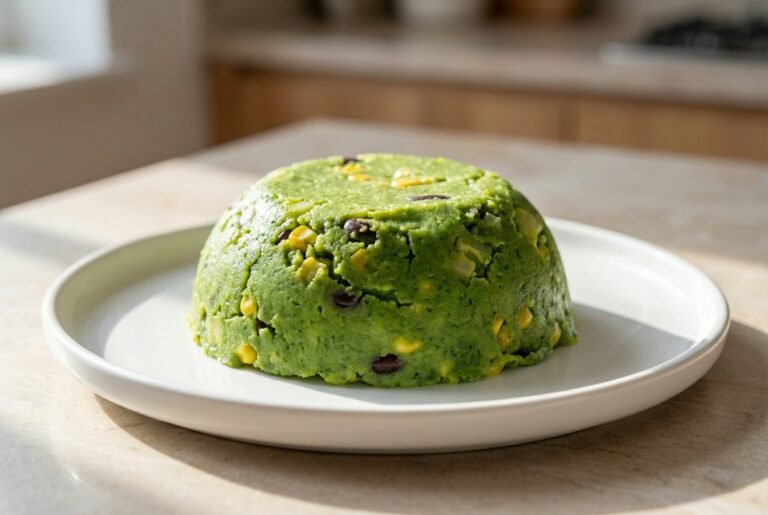
Ugali is a fundamental staple in Kenyan cuisine, cherished for its simplicity, versatility, and cultural significance. This dish is primarily made from maize flour (cornmeal) mixed with water to create a dense, dough-like consistency. The preparation process involves cooking the mixture over a steady flame while stirring continuously until it thickens. The resulting mass is firm enough to be molded into a comforting side dish, often served alongside various stews, sauces, or vegetables.
The significance of ugali goes beyond mere sustenance; it embodies the very essence of Kenyan hospitality and communal culture. Traditionally, ugali is eaten by hand and shared among families and friends, fostering unity and connection during meals. This communal aspect highlights the role of ugali as not just food but a medium for social interaction and bonding.
In terms of nutritional value, ugali is a source of carbohydrates, offering energy necessary for daily activities. It is often complemented with protein-rich accompaniments like sukuma wiki (collard greens) or meat dishes, enhancing both flavor and nutritional content. In different regions of Kenya, variations of ugali are common; for instance, some may use sorghum or millet flour, while different kinds of vegetables and spices might be added to give unique tastes reflective of local preferences.
Ugali serves as a symbol of Kenyan heritage and identity, connecting generations through shared culinary experiences. It is a staple that represents the agricultural roots of the country, reminding people of the importance of local farming and food production. Overall, ugali not only nourishes the body but also feeds the cultural spirit of Kenya.
History and Origins of Ugali
Ugali is a staple food widely consumed across Kenya, and its historical roots can be traced back centuries. The origins of ugali are linked to the traditional practices of various African communities, particularly in East Africa where it has undergone significant evolution over time. Initially, ugali was made from various grains, including millet and sorghum, but as agriculture evolved, maize became the dominant grain in the preparation of this dish.
Different regions in Kenya have embraced ugali, adapting it to their local agricultural practices and tastes. In coastal areas, for example, cassava flour is commonly used, resulting in a slightly different texture and flavor. In contrast, communities in the Rift Valley predominantly use maize flour. This regional variation illustrates how ugali not only serves as food but as a cultural signifier of identity across the diverse Kenyan landscape. For many Kenyans, ugali is far more than simply a dish; it embodies shared history, communal dining, and heritage.
Throughout its history, ugali has been integral to daily life in Kenya. Traditionally, it was prepared during special occasions and celebrations, allowing families and communities to come together. Over time, this dish has become a symbol of sustenance, often accompanying various proteins and vegetables to form a nutritious meal. Its ease of preparation and versatility make it a favored choice in households, regardless of the socioeconomic status of families.
Today, ugali continues to evolve while retaining its core significance within Kenyan cuisine. This dish stands the test of time, serving not only as a source of nourishment but as a vital aspect of cultural identity, reflecting the historical narratives of the communities that cherish it.
How Ugali is Made: Step-by-Step Guide
Ugali, a staple in Kenyan cuisine, is revered for its simplicity and versatility. Making ugali is a straightforward process that requires minimal ingredients and some basic cooking techniques to achieve the desired texture. To prepare ugali at home, you will need the following ingredients: maize flour (also known as cornmeal), water, and a pinch of salt to taste. The quality of maize flour is critical, as it largely influences the final product’s taste and texture.
Begin by boiling a pot of water. The quantity of water will depend on how much ugali you wish to make, but a good rule of thumb is to use approximately four parts water to one part maize flour. Once the water reaches a rolling boil, add a pinch of salt if desired. Gradually sprinkle the maize flour into the boiling water while continuously stirring with a wooden spoon or spatula. This stirring action prevents lumps from forming and ensures even distribution.
After incorporating the flour, reduce the heat to medium-low and continue to stir vigorously for several minutes. As the maize flour hydrates, you will notice the mixture thickens and becomes denser. Continue to stir until the ugali pulls away from the sides of the pot and forms a cohesive mass. This typically takes about 10 to 15 minutes. If you notice the ugali sticking to the spoon excessively, you can dampen it slightly with additional water or adjust your heat accordingly.
Once the ugali has reached a smooth and firm texture, it is done cooking. Transfer it onto a plate and allow it to cool slightly before serving. Some people prefer to mold it into a round shape using their hands, while others leave it in the pot. Ugali can be enjoyed with various accompaniments, such as stews, vegetables, or any preferred sauce, making it a versatile dish suitable for various meals.
Serving Suggestions: What to Pair with Ugali
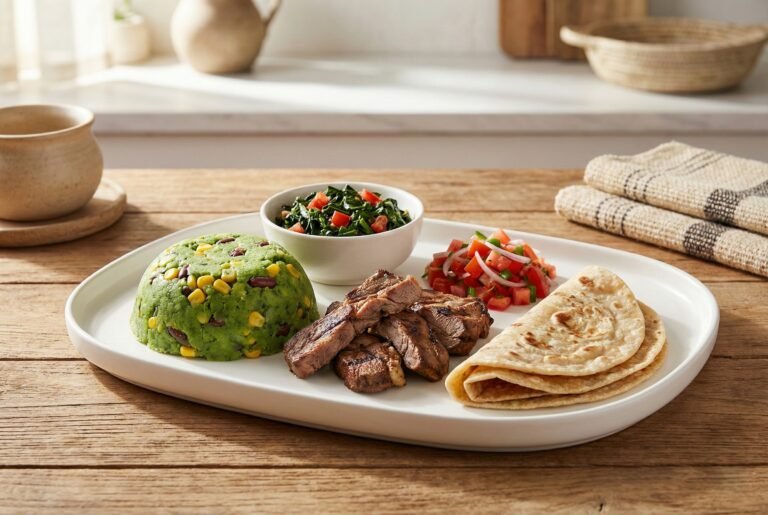
Ugali, a staple food in Kenya, is often the centerpiece of a meal. Its neutral flavor and firm texture make it an ideal accompaniment to various dishes, enhancing their taste while providing a filling base. When considering what to pair with ugali, the choices are abundant, reflecting the rich culinary diversity of Kenyan cuisine.
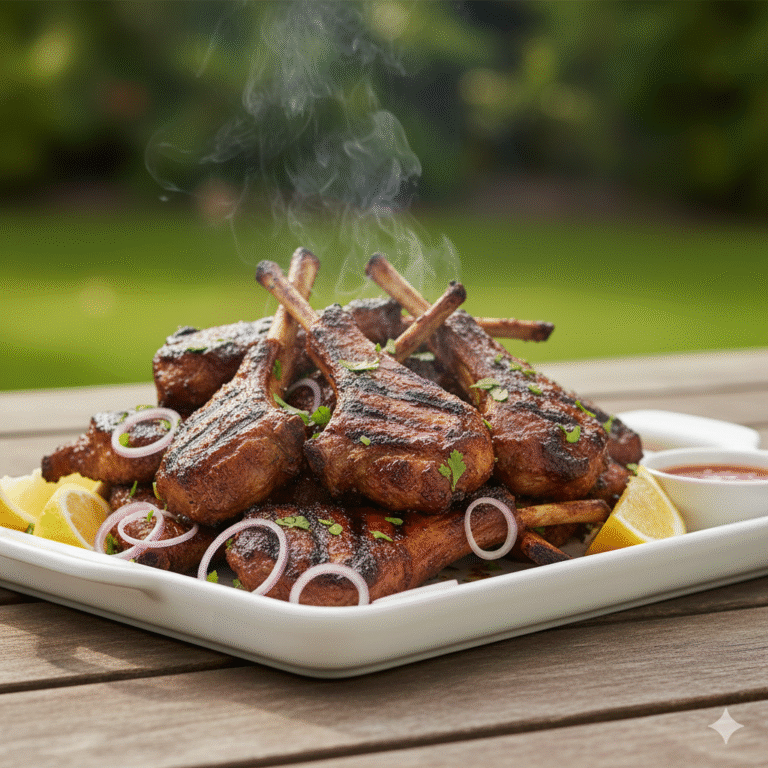
One of the most popular pairings is sukuma wiki, a kale-based vegetable dish typically sautéed with onions, tomatoes, and spices. This combination not only adds nutritional value but also balances the blandness of ugali with the savory richness of the greens. Additionally, cestrong href=”https://en.wikipedia.org/wiki/Stew”>stews are a beloved option, particularly those made with meats such as beef, goat, or chicken. The flavorful sauces in these stews contribute depth to the meal, as the ugali serves to soak up the delicious broth.
In coastal regions, ugali is often paired with fish, typically fried or stewed. The fresh, slightly spicy flavors of the local fish dishes complement the subtle taste of ugali, creating a delightful contrast. Furthermore, those who enjoy more complex flavors might consider adding sambaza, which are small fish served with a spicy sauce, enhancing the meal’s overall flavor profile.
Additionally, regional preferences can introduce unique pairings. In some areas, ugali is enjoyed with mukimo, a mixture of mashed potatoes, greens, and sometimes beans, showcasing the fusion of flavors that define Kenyan cooking. Each of these pairings not only represents a specific region but also illustrates the adaptability of ugali in catering to personal taste preferences.
With numerous options available, pairing ugali with various accompaniments fosters a rich eating experience, offering both traditional and modern takes on this beloved staple.
Nutritional Value of Ugali: A Healthy Choice
Ugali, a staple food in Kenya, is primarily made from maize flour and water. This simple preparation results in a dense, dough-like consistency, forming a delightful accompaniment to various dishes. The nutritional value of ugali is significant, making it a healthy choice for daily consumption.
In terms of caloric content, ugali is relatively high in calories. A typical serving of ugali can provide around 200 calories, depending on the quantity and preparation method. This characteristic makes ugali an essential source of energy for individuals engaging in physical labor or those requiring higher caloric intake. However, it’s important to balance this calorie intake with other food groups to maintain a healthy diet.
Ugali is primarily composed of carbohydrates, providing the essential energy required for daily activities. Carbohydrates are crucial for fueling the body’s functions, particularly for those involved in strenuous exercises or outdoor activities prevalent in many Kenyan lifestyles. Additionally, ugali is low in fat, which makes it an ideal choice for those looking to reduce their fat intake while still satisfying their hunger.
While ugali is often regarded as a carbohydrate-rich food, it is also a good source of dietary fiber, particularly when whole maize flour is used. Fiber is vital for digestive health, helping to regulate bowel movements and prevent constipation. Moreover, ugali is a gluten-free option, making it suitable for individuals with gluten sensitivities.
In conclusion, the nutritional aspects of ugali highlight its role as not only a versatile food item but also a balanced component of a healthy diet. By incorporating ugali into meals with vegetables and proteins, individuals can enjoy a complete and nourishing experience that supports overall health.
Ugali in Kenyan Culture: Beyond Just Food
Ugali holds a significant place in the hearts of many Kenyans, serving not only as a staple food but also as a profound symbol of cultural identity and tradition. This revered dish, made from maize flour and water, transcends the realm of mere sustenance; it is intricately woven into the fabric of Kenyan life, influencing social norms and rituals.
In various communities across Kenya, ugali is central to both domestic and ceremonial occasions. Traditionally, it is often prepared during family gatherings, weddings, and community celebrations, showcasing its role as a unifying force. The act of sharing ugali embodies the essence of togetherness, reinforcing bonds among family members and friends. As such, offering ugali to guests is a gesture of hospitality, reflecting deep-rooted values of generosity and warmth.
Moreover, ugali serves as a metaphor for resilience and sustenance beyond physical nourishment. The process of preparing ugali, which requires skill, patience, and attention, mirrors the hard work and determination prevalent in Kenyan culture. For many, it represents the ongoing struggle for prosperity and self-sufficiency, as families labor to provide for their loved ones. In this sense, ugali transcends its culinary role, becoming a powerful symbol of perseverance and identity.
Furthermore, the significance of ugali is also evident in various cultural expressions, including proverbs and folk songs that celebrate its importance. These narratives highlight ugali’s role in fostering community spirit and narrating shared experiences. Therefore, in examining the cultural significance of ugali, it becomes clear that this humble dish is much more than food; it stands as a testament to the values, history, and unity of the Kenyan people.
Modern Variations of Ugali
In recent years, ugali has undergone a remarkable transformation as chefs and home cooks alike explore new culinary possibilities. Traditionally made from maize flour and water, this staple dish has found its way into innovative and trendy recipes that reflect the evolving tastes of contemporary Kenyan cuisine. Fusion dishes have emerged, combining ugali with various ingredients and international flavors, showcasing its versatility while maintaining its cultural significance.
One popular modern variation is the incorporation of different flours, such as millet, sorghum, or cassava, offering a gluten-free option that appeals to health-conscious individuals. These alternative flours not only enhance the nutritional profile of ugali but also introduce distinctive flavors and textures that elevate traditional dishes. For instance, ugali made from millet flour can be paired with spicy stews or grilled vegetables, providing a nutritious base that complements various cuisines.
Chefs have also embraced the concept of “ugali fries,” where ugali is shaped into wedges, deep-fried, and served as a side dish or snack. This creative approach offers a delightful twist, allowing diners to enjoy the beloved staple in a novel way. Similarly, ugali can be used as a base for pizzas or a substitute for traditional breads, making it a versatile option in a fusion dining experience.
Moreover, street food vendors have contributed to the modernization of ugali by incorporating it into wraps and rolls, filled with a variety of ingredients such as meats, vegetables, and spicy sauces, targeting a younger demographic seeking convenient and flavorful meals. These adaptations not only appeal to local palates but also attract international visitors, who are eager to experience the rich culinary heritage of Kenya.
As the culinary landscape continues to evolve, ugali remains at the forefront, symbolizing both tradition and innovation. This adaptability is a testament to its enduring popularity and highlights its role as a canvas for modern gastronomy in Kenya.
Traveling to Kenya: Where to Experience Ugali
Kenya is a tapestry of diverse cultures, traditions, and, notably, a rich culinary heritage. For travelers keen on experiencing one of the country’s most cherished dishes, ugali, there are numerous places to savor this staple in its authentic form. Ugali, a simple yet versatile dish made from maize flour and water, is often served as a side to various meat and vegetable dishes, making it a truly integral part of Kenyan meals.
One of the best places to enjoy authentic ugali is at local eateries known as “hotels.” These informal dining establishments often provide a casual atmosphere where visitors can relish traditional Kenyan meals at affordable prices. In cities such as Nairobi and Mombasa, you can find small hotels that excel in serving ugali alongside accompaniments like sukuma wiki (collard greens) or grilled meats. Popular choices include K’Oserian and Yaya Centre in Nairobi, which are known for their homely ambiance and delectable ugali dishes.
For a more vibrant experience, visiting local markets is highly encouraged. Markets like the Maasai Market in Nairobi not only allow travelers to shop for unique crafts and souvenirs but also to indulge in freshly prepared ugali from street vendors. Here, visitors can witness the lively atmosphere, interact with local vendors, and step into the culture that revolves around this beloved staple.
Moreover, exploring rural areas can present opportunities for cultural experiences such as home-hosted meals. Engaging with local families often leads to meals where ugali takes center stage, allowing visitors to immerse themselves in Kenyan culture. Cooking classes focusing on traditional dishes, including ugali, can also be found in various towns, helping travelers learn and appreciate the significance of this essential food item while enjoying the company of locals.
Conclusion: The Ongoing Legacy of Ugali in Kenya
Ugali stands as a culinary cornerstone within Kenyan culture, regarded not only as a staple food but also as a symbol of unity and togetherness. This simple dish, made from ground maize flour and water, transcends being merely a source of sustenance; it embodies the richness of Kenyan traditions and the country’s diverse culinary landscape. As we explored, ugali is often enjoyed alongside a variety of accompaniments, allowing it to complement numerous local dishes, thereby enhancing the overall dining experience.
Furthermore, the preparation and consumption of ugali often serve as social rituals, bringing families and communities together around shared meals. This aspect of ugali reinforces the notion that food is not just about nourishment, but also about connection and heritage. From the bustling streets of Nairobi to the rural heartlands, ugali remains a beloved dish, passed down through generations.
In embracing ugali, one invites a piece of Kenya into their own kitchen, characterized by its versatility and ease of preparation. As more people discover and appreciate this traditional dish, ugali’s legacy will undoubtedly continue to endure, evolving with the times while remaining deeply rooted in Kenyan identity. For those interested in exploring new flavors and enhancing their culinary repertoire, preparing ugali is an ideal starting point. By doing so, individuals not only honor a cherished Kenyan tradition but also expand their appreciation for global cuisines.
In conclusion, the ongoing legacy of ugali in Kenya reflects its enduring significance in the lives of many. As this dish continues to inspire both local and international palates, the cultural richness of ugali remains a vital link to Kenya’s history, community, and culinary heritage.