How to Start a Seedlings and Potted Plants Business in Kenya
Introduction
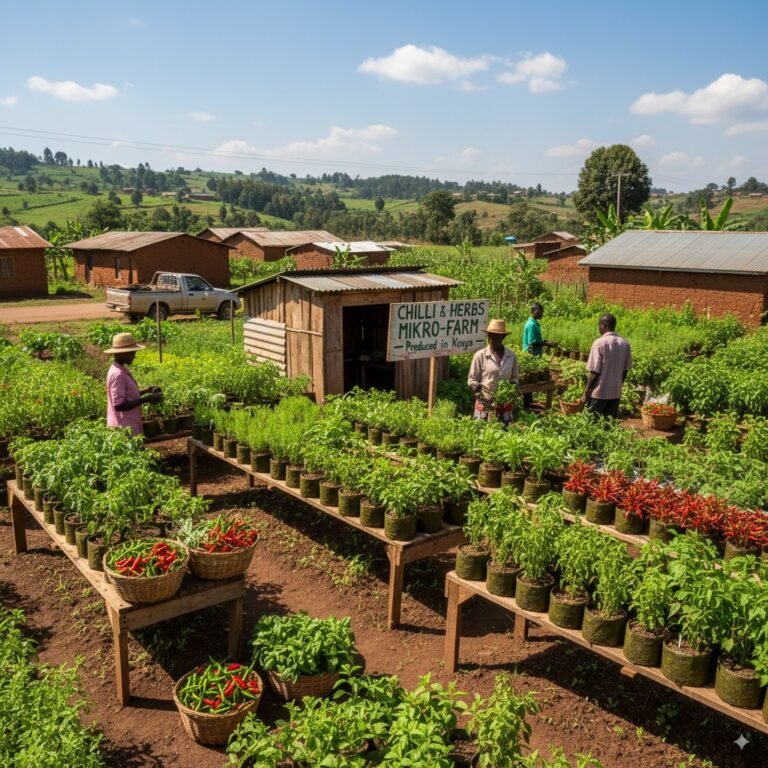
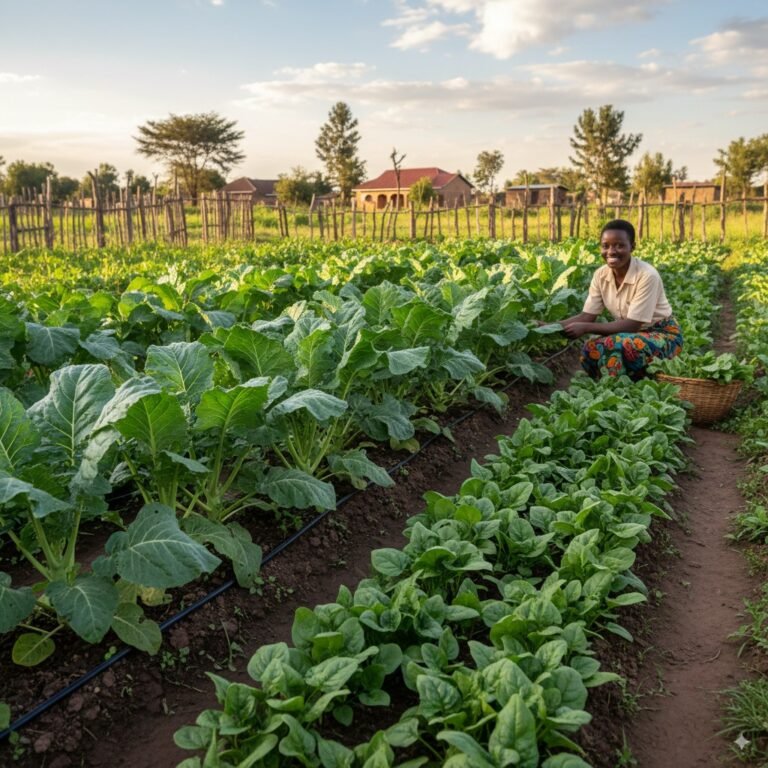
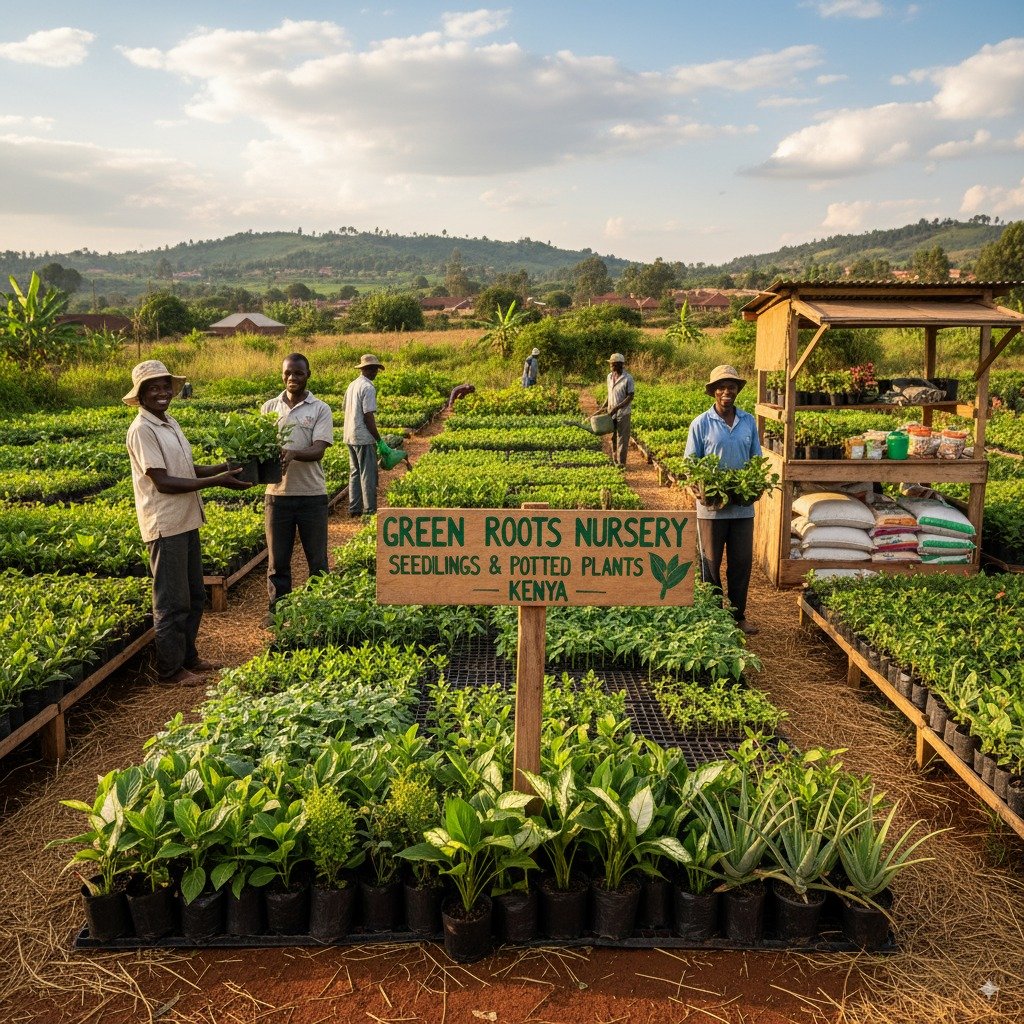
The seedlings and potted plants business in Kenya is growing fast as more people embrace farming, landscaping, and home décor. From sukuma wiki seedlings for kitchen gardens to ornamental plants for offices and estates, the demand is wide and steady. Starting a seedlings and potted plants business is affordable, flexible, and can be run from a small backyard, roadside, or even online. With the rise of urban farming and indoor greenery trends, this hustle is both profitable and sustainable.
Startup Costs 💰
The capital depends on whether you’re focusing on vegetable seedlings, tree seedlings, or ornamental potted plants.
- Capital Needed: KES 5,000 – 15,000
- Key Expenses:
- Seeds and cuttings — KES 1,000 – 3,000
- Polythene bags/pots for planting — KES 1,000 – 2,000
- Soil, manure, and compost — KES 1,000 – 2,000
- Watering cans and small tools — KES 1,000 – 2,000
- Display area/tent setup — KES 1,000 – 3,000
💡 Tip: Start with vegetables like sukuma, spinach, and tomatoes — they sell fast and bring quick profits.
Why This Business Works ✅
- High Demand for Food Crops: Urban farming and kitchen gardens are trending.
- Growing Interest in Décor: Potted plants are popular in homes and offices.
- Low Capital: You can start with as little as KES 5,000.
- Eco-Friendly Business: Appeals to health- and environment-conscious buyers.
- Scalable: Can expand into landscaping, greenhouses, or tree nursery supply.
Step-by-Step Setup 🛠️
1. Choose Your Focus
- Vegetable seedlings: Sukuma, spinach, tomatoes, capsicum.
- Fruit seedlings: Avocado, mango, pawpaw.
- Ornamental plants: Flowers, indoor plants, succulents.
- Tree seedlings: Eucalyptus, grevillea, indigenous trees.
2. Prepare Your Planting Area
- Use trays, polythene bags, or pots.
- Mix soil with manure or compost.
- Ensure proper drainage.
3. Plant & Nurture Seedlings
- Water regularly but avoid overwatering.
- Use organic manure or light fertilizers.
- Protect young plants from pests.
4. Display & Sell
- Arrange seedlings neatly on tables or stands.
- Display potted plants in colorful pots.
- Sell at local markets, estates, or online.
5. Price Your Plants
- Sukuma/spinach seedlings: KES 3 – 5 each.
- Tomato/capsicum seedlings: KES 5 – 10 each.
- Tree seedlings: KES 20 – 50 each.
- Ornamental potted plants: KES 200 – 1,000 depending on type.
Profit Breakdown 📊
Example:
- Buy a packet of sukuma seeds at KES 100.
- Produces ~500 seedlings.
- Sell each at KES 5.
- Revenue = KES 2,500.
- Profit = KES 2,400 from one packet.
Ornamental plants:
- Buy seedlings at KES 100 each.
- Re-pot and nurture in decorative pots.
- Sell at KES 500.
- Profit = KES 400 per plant.
👉 Monthly profits can range from KES 20,000 – 50,000, depending on stock and location.
Challenges & How to Overcome Them ⚠️
- Weather Dependence: Seedlings may dry during hot seasons.
- Solution: Invest in shading nets and water regularly.
- Pests & Diseases: Can damage stock quickly.
- Solution: Use organic pesticides and proper soil treatment.
- Slow Sales: Some seedlings may take time to sell.
- Solution: Diversify between fast-moving vegetables and long-term plants.
- Transporting Plants: Moving seedlings can damage them.
- Solution: Use proper trays and handle carefully during delivery.
Tips to Grow 🚀
- Partner with farmers and estates for bulk orders.
- Sell through social media platforms like Facebook Marketplace.
- Expand into landscaping services.
- Offer home delivery of potted plants.
- Brand your business with a catchy name like “GreenSprout Nurseries Kenya.”
Frequently Asked Questions (FAQ) ❓
Q: How much capital do I need to start a seedlings business in Kenya?
A: With KES 5,000 – 15,000, you can buy seeds, soil, polythene bags, and start a small nursery.
Q: How profitable is this business?
A: Profits can reach KES 2,000 – 5,000 per batch of seedlings, with monthly earnings of KES 20,000 – 50,000+.
Q: Who are my main customers?
A: Farmers, estate residents, schools, landscapers, and offices.
Q: Do I need a large farm to start?
A: No, you can start in a small backyard or even with a few trays of seedlings.
Conclusion
The seedlings and potted plants business in Kenya is a low-capital, eco-friendly hustle with steady demand from farmers, households, and offices. With KES 5,000 – 15,000, you can start a small nursery, sell vegetables and ornamental plants, and grow into a full landscaping or tree nursery venture. By focusing on quality, neat presentation, and good customer service, you can build a sustainable and profitable business.
👉 Explore more hustler-friendly opportunities in the Business Ideas Hub — with over 50+ small businesses you can start today.