
How to Track Monthly Subscriptions and Stop Wasting Money
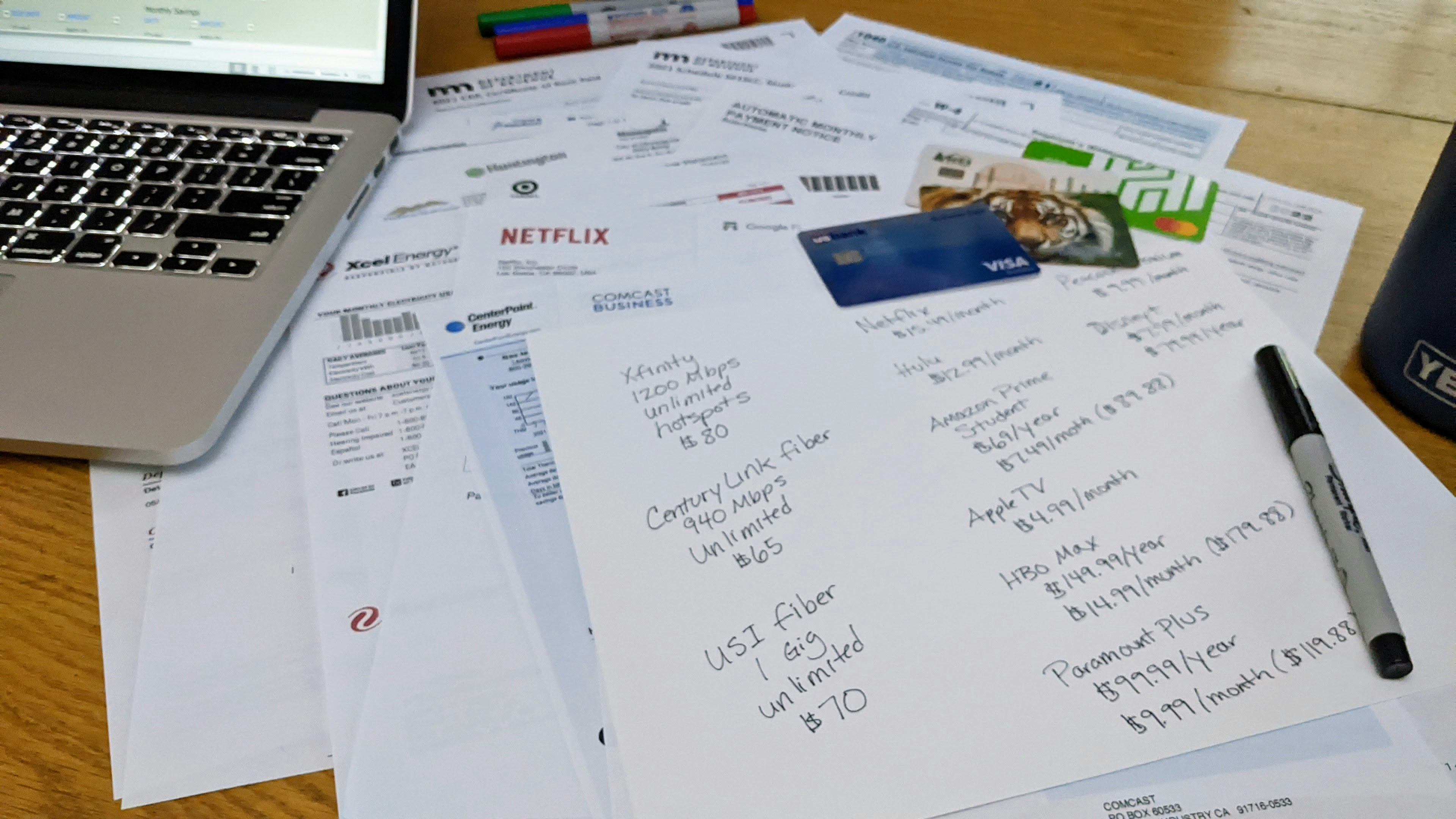
Introduction to Subscription Fatigue
The modern consumer landscape is increasingly dominated by subscription services, ranging from streaming platforms to food delivery options. As these services proliferate, the phenomenon known as “subscription fatigue” has become a pressing issue for many individuals. Subscription fatigue refers to the overwhelming feeling people experience when attempting to manage multiple recurring payments without fully evaluating their benefits. For example, a 2023 survey revealed that 41% of respondents reported feeling stressed about tracking their various subscriptions, and 59% admitted to forgetting about subscriptions they once valued.
This prevalent trend indicates a disconnect between the growing number of subscriptions and the consumers’ ability to monitor them effectively. With the convenience of automatic billing, users often find themselves signed up for various services that may not deliver the anticipated value, leading to wasted money. Anecdotal evidence suggests that many individuals allow subscriptions to renew without realizing they are paying for services they rarely utilize. For instance, according to a report from Consumer Reports, subscribers could waste as much as $240 annually on unused subscriptions.
Additionally, as digital platforms continue to introduce new subscriptions at an unprecedented rate, individuals are faced with decision fatigue, which further complicates their ability to critically assess whether these monthly payments are justified. The average adult has over seven subscriptions, and the doubling of such expenses in just five years paints a concerning picture of modern consumer habits.
Subscription fatigue not only affects financial stability but also contributes to heightened stress levels. The mental load associated with remembering passwords, managing billing cycles, and determining the value of services takes a toll on an individual’s overall well-being. Consequently, as consumers grapple with subscription fatigue, it becomes increasingly important to implement strategies that allow for effective tracking and management of their subscriptions.
The Importance of Regular Auditing
Regular auditing of bank statements is a crucial financial practice that can provide invaluable insights into an individual’s spending habits and recurring expenses. Maintaining a keen awareness of one’s financial situation not only fosters better budgeting but also significantly aids in the identification of subscriptions that may no longer serve a purpose or that could be consolidated for savings.
By routinely scanning through bank statements, one can notice patterns in spending and identify monthly subscriptions that recur, often without the individual’s conscious acknowledgment. This practice helps in uncovering expenses that can easily go unnoticed, leading to unnecessary spending over time. Each small subscription may seem innocuous, but cumulatively, such costs can take a substantial toll on finances, diminishing available funds for other vital necessities or savings.
Moreover, performing regular audits can also bring attention to any unauthorized or erroneous charges that may have slipped through the cracks. Financial institutions make errors from time to time, and early detection through systematic reviews can lead to prompt resolutions, ensuring consumers are not unfairly charged. This proactive approach leads to enhanced financial awareness and gives consumers the power to make informed decisions regarding their ongoing expenses.
Additionally, awareness generated from auditing fosters a deeper understanding of personal financial health, establishing a foundation for more strategic financial planning. When individuals are informed about their obligations, they can weigh the benefits versus the costs of each subscription, potentially uncovering opportunities for cancellation or negotiation for better rates.
Step-by-Step Guide to Auditing Bank Statements
Auditing your bank statements is a crucial step in managing monthly subscriptions and ensuring that you do not waste money on unnecessary expenses. This process can help identify recurring charges and irregular spending patterns. Here is a detailed, step-by-step approach to effectively audit your bank statements.
First, gather all relevant bank statements for the period you wish to audit, ideally the last few months. Make sure you have both paper and electronic statements if available, as these will provide a comprehensive overview of your financial activity. Next, it is essential to sort these statements chronologically, allowing you to follow your spending patterns over time.
Once organized, start looking for specific transactions that indicate subscription payments. These typically appear as recurring monthly charges or payments made to specific vendors. Many subscriptions are conveniently labeled with familiar brand names, while others may have less recognizable titles. Therefore, it can be helpful to maintain a list of known subscriptions to cross-reference against your statements.
As you examine these transactions, highlight or mark any recurring payments that appear inconsistent with your current consumption. This may include subscriptions that you have forgotten about, services that are no longer relevant, or even constant billing errors. After identifying these charges, categorize them further into ‘essential’ and ‘non-essential’ to clarify what subscriptions you rely on versus those you might consider cancelling.
Finally, look for patterns in your spending. Analyze what types of subscriptions you tend to keep or remove over time, and consider how they align with your budget and financial goals. By understanding your spending patterns, you can gain insight into your financial habits and make informed decisions about future subscriptions. Regularly auditing your bank statements will not only help in stopping unnecessary payments but also aid in ensuring a healthier financial status.
Identifying Unused or Underutilized Services
In today’s digital age, managing subscriptions has become essential for personal finance. Many individuals find themselves spending money on various services without fully utilizing them. To avoid wasting money, it is crucial to identify which subscriptions are valuable and which can be eliminated. The first step in this process is to track your subscription usage meticulously.
Begin by reviewing your monthly bank or credit card statements. Take note of the subscriptions billed each month and compile a list. Next, evaluate how often you use each service. Keeping a usage log can help; for instance, noting the frequency of access to streaming platforms, online magazines, or fitness programs can provide clearer insights into which subscriptions you engage with regularly.
Another effective strategy is to set a period during which you will consciously evaluate your usage. For example, allocate one month to assess the frequency with which you access each subscription service. At the end of this period, analyze the data: which services did you use more than twice? Which ones did you forget about entirely? This method can help highlight subscriptions that are underutilized or not used at all.
In addition to tracking usage, consider the value each subscription provides. A service may be frequently used, but does it truly offer benefits that justify the expense? Conversely, some subscriptions might be less frequently accessed but could provide significant utility when needed. Understanding the balance between usage and value is critical in determining the necessity of each subscription.
Ultimately, recognizing subscriptions that can be safely canceled allows for smarter financial decisions, directing funds toward services you genuinely value and utilize. Through this analytical approach, one can effectively curb unnecessary expenditures and streamline their subscription management.
How to Cancel Unused Subscriptions Effectively
Cancelling unused subscriptions can often feel daunting due to the varying processes involved across different service providers. To streamline this process, it is essential to clearly understand the steps and potential challenges that may arise. First and foremost, identify all subscription services you are currently using but consider cancelling. This could include streaming services, subscription boxes, or online memberships. Once you have listed these subscriptions, prioritize them based on their usage and cost.
Each service typically has a specific cancellation process, often accessible through their website or mobile application. Most providers require you to log into your account to initiate the cancellation. It is advisable to search for a cancellation option in the settings or account management section. For instance, platforms like Netflix allow you to cancel your subscription easily through the account page. In contrast, services like gym memberships may require you to visit in person or send a written request.
During the cancellation process, some users encounter challenges such as unclear instructions, hidden fees, or attempts by the service provider to retain you as a customer. To overcome these hurdles, consider preparing a direct and polite message for contacting customer service if the online method fails. You might use a template like: “Dear [Service Provider], I would like to request the cancellation of my subscription due to personal reasons. My account ID is [Your Account ID]. Please confirm my cancellation at your earliest convenience. Thank you for your assistance.”
Additionally, keep an eye on the billing cycle. Ensure to cancel before the next billing date to avoid overspending. Tracking changes in your subscriptions regularly can aid in managing multiple subscriptions effectively. Utilizing spreadsheet tools or dedicated applications can provide an organized approach to monitoring these recurring expenses.
Creating a Centralized Digital Tracker
In today’s digital age, managing monthly subscriptions can become overwhelming, as numerous services often go unnoticed and result in unnecessary expenses. A centralized digital tracker can serve as an effective tool to monitor and categorize these recurring costs, ultimately helping users save money and gain better control over their finances.
Various applications and tools exist specifically for tracking subscriptions. Popular options include Spendee, Truebill, and Bobby, which offer user-friendly interfaces that allow for easy input and organization of subscription details. These platforms often feature customizable categories, enabling you to tag services by type or cost. For those who prefer a more personalized approach, creating a simple spreadsheet in Microsoft Excel or Google Sheets is an excellent alternative. This DIY method allows users to design a tracker that aligns perfectly with their unique financial habits.
When setting up a digital tracker, it is crucial to maintain clarity and ease of use. Begin by listing all current subscriptions, including the service name, renewal date, and monthly cost. Organize expenses into categories, such as entertainment, utilities, and software, ensuring a comprehensive overview of your financial commitments. Consider adding an additional column for cancellation reminders, which will alert you prior to the expiration of free trials or subscription renewals.
Moreover, automating alerts for your renewals has proven beneficial. Many subscription tracking apps provide notifications before the charging date, enabling proactive decision-making regarding whether to continue or cancel a service. Consequently, by utilizing a centralized digital tracker, individuals can effectively monitor their subscriptions, minimize wastage, and maintain financial health.
Setting Reminders for Renewals and Cancellations
In the ever-evolving landscape of digital consumption, subscriptions for various services can quickly accumulate and lead to unwarranted expenses. Effectively managing these subscriptions necessitates proactive measures, particularly in setting reminders for renewals and cancellations. By integrating reminders into one’s routine, individuals can ensure they are not overlooking critical due dates, ultimately saving money and reducing financial clutter.
One of the most efficient methods for establishing these reminders is through calendar applications. Most smartphones come equipped with built-in calendar apps that allow users to set alerts for important dates. These reminders can be set for a week or a few days prior to the renewal date, giving consumers ample time to review their subscriptions and make informed decisions about whether to continue or cancel. Additionally, utilizing features such as recurring events can further streamline this process.
Another effective option involves financial management tools and budgeting apps. Many of these applications not only help track expenses but also feature the ability to sync with subscription services. For example, some apps automatically alert users of upcoming payments from linked accounts, providing timely notifications that can help prevent unwanted charges. Furthermore, these tools often provide insights into spending patterns, which can highlight which subscriptions are truly valuable and worth renewing.
Lastly, integrating a simple spreadsheet to track subscriptions can serve as an effective reminder tool as well. Users can list each subscription with its renewal date, associated costs, and status, which aids in visual management. Incorporating reminders directly into the spreadsheet using tools like Google Sheets allows users to receive notifications via email or app alerts as the renewal date approaches.
Strategies to Avoid Subscription Overload
In an increasingly digital world, managing monthly subscriptions can become overwhelming, leading to potential financial waste. To mitigate subscription overload, it is essential to employ effective strategies that promote mindful spending.
Firstly, before subscribing to any new service, conduct a thorough evaluation. Consider asking yourself key questions such as: What specific need does this service fulfill? How often will I utilize it? Are there alternatives that are more cost-effective? This critical assessment can help you determine whether a new subscription genuinely adds value to your life or merely contributes to unnecessary spending.
Another viable strategy is to explore bundled subscription options. Many service providers offer package deals that combine various services at a reduced rate, which can significantly lower your overall monthly expenses. For instance, by selecting a streaming service that also includes music and gaming, you may save money compared to subscribing to multiple individual services. However, ensure that you will realistically use all components of the bundle; otherwise, you may still end up paying for things you do not need.
Furthermore, prioritizing essential subscriptions can substantially reduce the risk of subscription overload. Make a list of the services that are crucial for your personal or professional life and limit your subscriptions to these essentials. Tools like subscription trackers can assist in visualizing your monthly commitments, allowing you to make informed decisions about what to keep and what to cancel. By adopting a more intentional approach to your subscriptions, you can maintain control over your budget and avoid the clutter of unnecessary services.
Conclusion: Taking Control of Your Finances
In the contemporary landscape of personal finance, tracking monthly subscriptions has emerged as an essential practice. Subscriptions often accumulate unnoticed, leading to unnecessary expenditures that can strain one’s financial health. By conducting regular audits of your subscriptions, you can gain a clearer view of where your money is going and how you can allocate it more effectively. This practice not only aids in identifying unnecessary expenses but also fosters a more conscious spending habit.
Moreover, establishing an effective tracking system can significantly enhance your ability to manage your finances. Digital tools and apps designed for budgeting can streamline the process, providing reminders for upcoming payments and highlighting subscriptions that may no longer serve their purpose. By implementing such systems, you create a proactive approach to your financial management, ensuring that you are not caught off guard by recurring expenses.
Moreover, understanding the cumulative costs of your subscriptions can empower you to make informed decisions. Whether it’s canceling underutilized services or finding more cost-effective alternatives, regular monitoring enables you to adjust your financial strategies as needed. Taking control of these routine expenses ultimately allows for a more substantial savings opportunity, leading to improved financial stability.
As you reflect on your current subscriptions, consider initiating your audit soon. The first step in regaining control over your finances is simple yet impactful. By committing to this practice, you can prevent future financial waste and allow for more strategic investments in your personal goals and necessities.