The Ultimate Guide to Authentic Kenyan Recipes: A Taste of East Africa
Welcome to the Kitchen!
There is something undeniably magical about the flavors of East Africa. Kenyan cuisine is not just about filling your stomach; it is a rich cultural tapestry woven with history, community, and fresh, organic ingredients. From the aromatic spice markets of the coast to the lush, green highlands where hearty stews bubble in clay pots, every dish tells a story.
If you have been searching for a way to bring these vibrant flavors into your own home, you have arrived at the right place. Whether you are an experienced chef looking for a new challenge or a beginner wanting to try something different, this guide is your gateway. For those who are ready to fire up the stove immediately and skip the history lesson, you can visit our interactive cooking page to view our complete list of Authentic Kenyan Recipes here.
Why Kenyan Food is a Culinary Hidden Gem
Unlike many global cuisines that rely heavily on complex sauces or fiery heat to mask ingredients, Kenyan food is “farm-to-table” in its purest form. The magic lies in its simplicity. A dash of salt, the natural sweetness of red onions, the acidity of sun-ripened tomatoes, and the richness of fresh coconut milk are often all you need to create a masterpiece.
The cuisine is a melting pot of influences. You will find the earthy, starchy staples of the indigenous tribes, the fragrant spices brought by Arab traders, and the curry influences from Indian settlers. It is hearty, unpretentious, and designed to be shared.
Ready to start cooking? Reading about these dishes is one thing, but cooking them is where the real joy lies. We have compiled a dedicated, interactive platform that guides you through every single step, ingredient by ingredient.
👉 Click Here to Get the Full Kenyan Recipes & Cooking Guide
The Holy Trinity of Kenyan Staples
You cannot talk about authentic Kenyan cuisine without mentioning the heavy hitters. These are the dishes that sustain the nation, served in homes from Nairobi to Mombasa every single day.
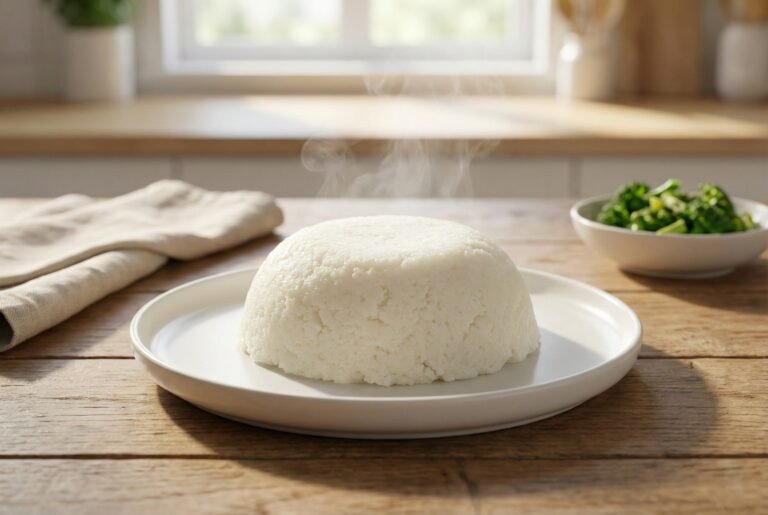
1. Ugali: The Undisputed King If there is one dish that defines Kenya, it is Ugali. Made from maize flour (cornmeal) and water, it is a dense, stiff porridge that serves as the perfect vessel for stews, greens, and meats. To the uninitiated, it might seem plain, but to a Kenyan, a meal without Ugali isn’t really a meal.
The secret to perfect Ugali lies in the technique. It requires vigorous stirring and mashing against the pot (using a wooden spoon called a mwiko) to remove lumps and achieve a firm texture. It is traditionally eaten with your hands—you pinch a piece, roll it into a ball, make an indentation with your thumb, and use it as a scoop for delicious sides.
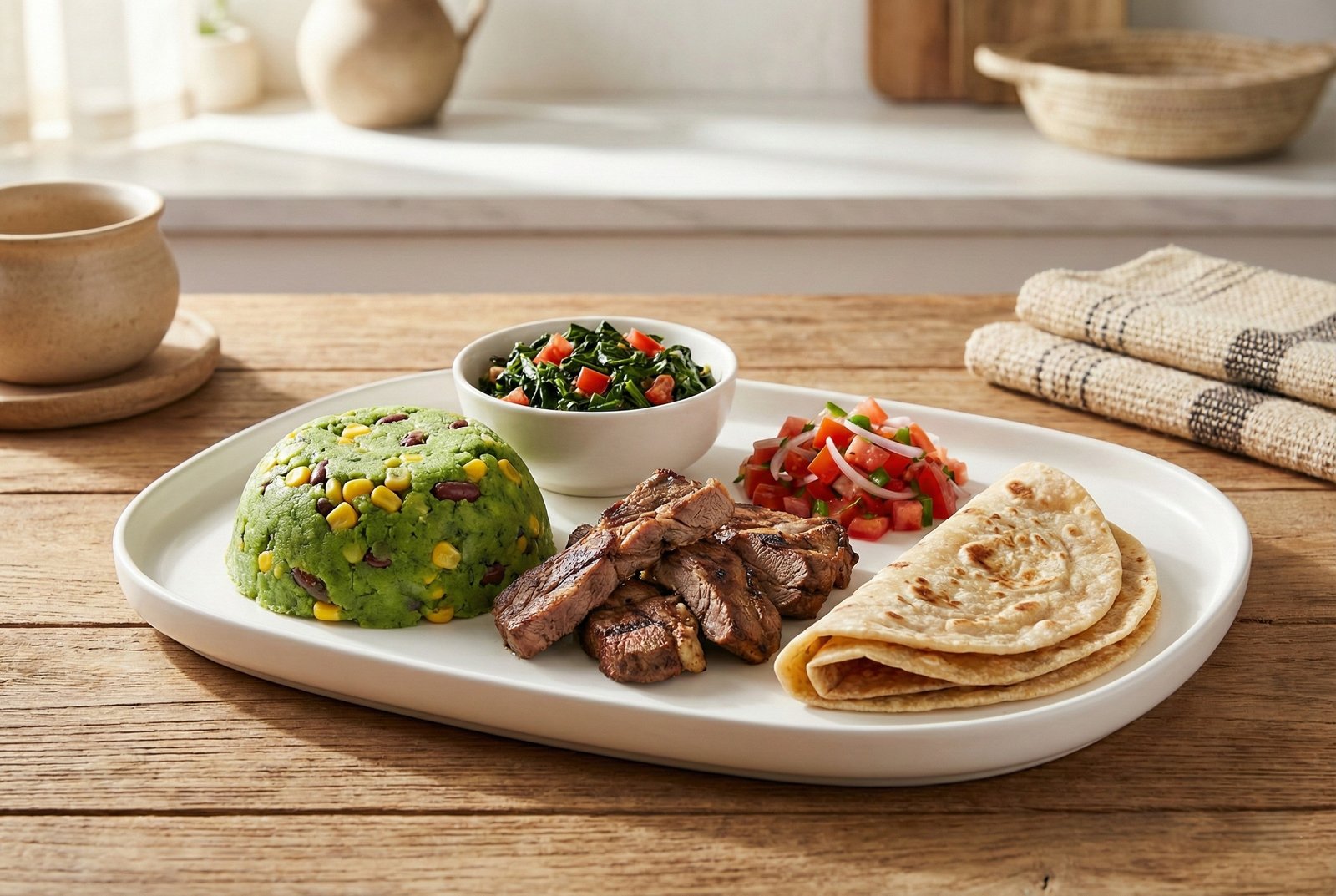
2. Sukuma Wiki: The “Week-Pusher” The name literally translates to “push the week,” implying it is an affordable meal that helps stretch resources until the next payday. Sukuma Wiki consists of collard greens sautéed with onions, tomatoes, and simple spices.
Despite its humble origins, it is undeniably delicious. When cooked correctly, the greens remain vibrant and crunchy, providing a fresh, nutritious contrast to the heavy starch of Ugali. It is arguably the most common vegetable dish in the country.
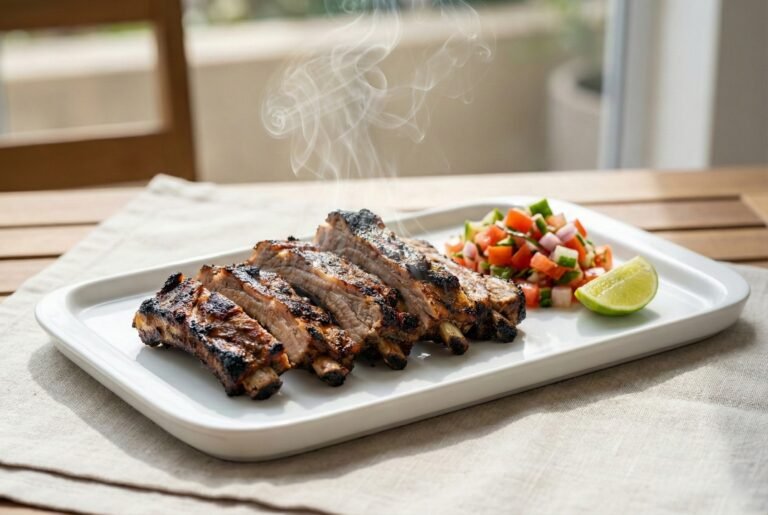
3. Nyama Choma: The National Pastime “Nyama Choma” means “roasted meat” in Swahili, but it is so much more than just a dish; it is a social event. Usually involving goat or beef, the meat is roasted slowly over hot charcoal until it is tender on the inside and perfectly charred on the outside.
Authentic Nyama Choma is rarely marinated with complex rubs. Instead, it is bathed in a simple salt-water solution while roasting to keep it moist and enhance the natural flavor of the meat. It is served on a wooden board, chopped into bite-sized chunks, accompanied by Kachumbari—a fresh salsa of tomatoes, onions, chili, and cilantro that cuts through the richness of the meat.
A Taste of the Coast: Swahili Cuisine
Travel down to the coast, and the flavor profile changes dramatically. Here, the air is filled with the scent of cloves, cardamom, ginger, and coconut.
- Swahili Pilau: Pilau is a festive dish made of rice cooked in a seasoned broth of meat and whole spices. Unlike Indian pilaf, Kenyan Pilau has a distinct dark brown color, achieved by caramelizing onions until they are almost burnt before adding the rice and liquid. It is a labor of love and a mandatory centerpiece at weddings and holiday celebrations.
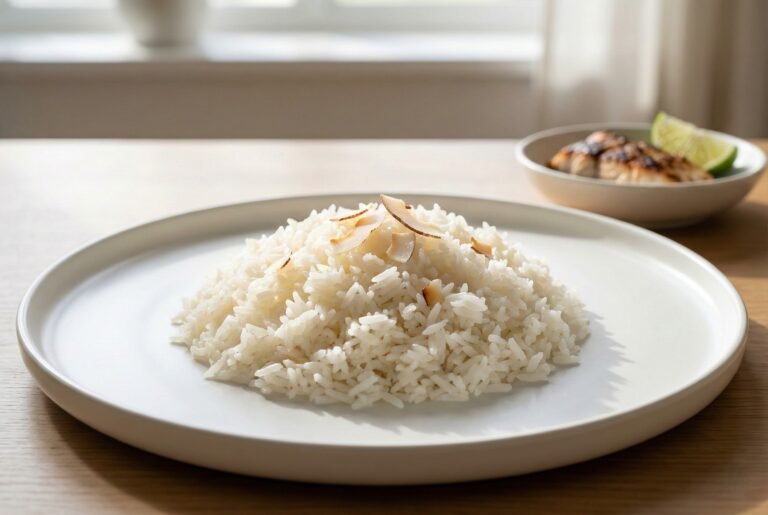
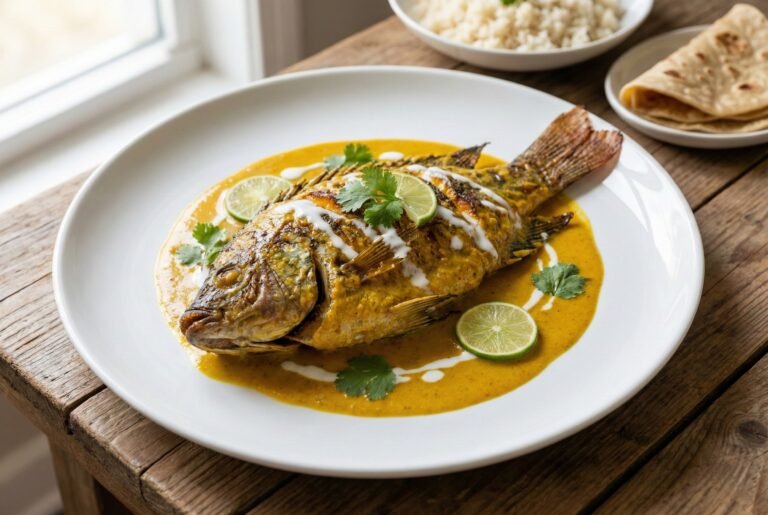
- Wali wa Nazi (Coconut Rice): For a creamier option, Wali wa Nazi is a favorite. White rice is boiled with fresh coconut milk instead of just water, resulting in a sweet, fragrant, and sticky dish. It pairs heavenly with rich fish curries like Samaki wa Kupaka (grilled fish coated in a thick tamarind and coconut sauce).
Chapati: The Layered Flatbread
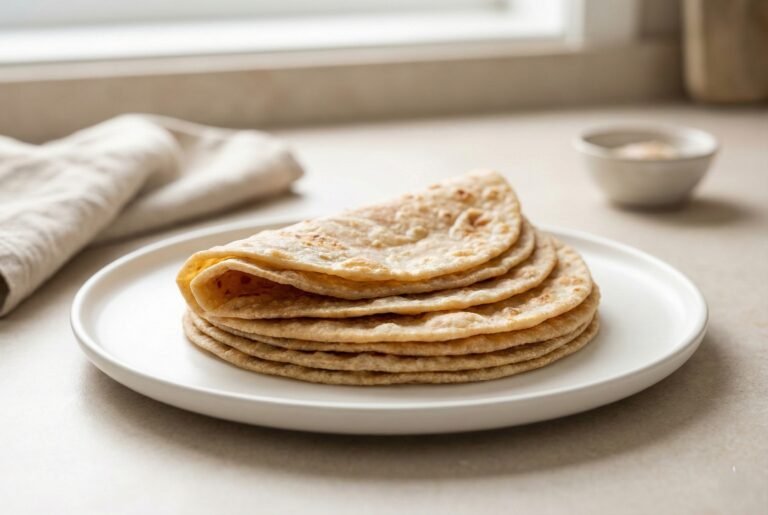
While originally influenced by Indian settlers, the Kenyan Chapati has evolved into its own entity. It is generally thicker, softer, and more layered than its Indian cousin. The process involves rolling the dough, oiling it, coiling it like a snail shell, and rolling it out again to create flaky layers. It is the ultimate comfort food, perfect for mopping up rich beef stews like Karanga or enjoying simply with a cup of spiced tea.
Hearty Stews and Mashes
In the central highlands, the cuisine shifts towards hearty mashes and stews that provide energy for the day.
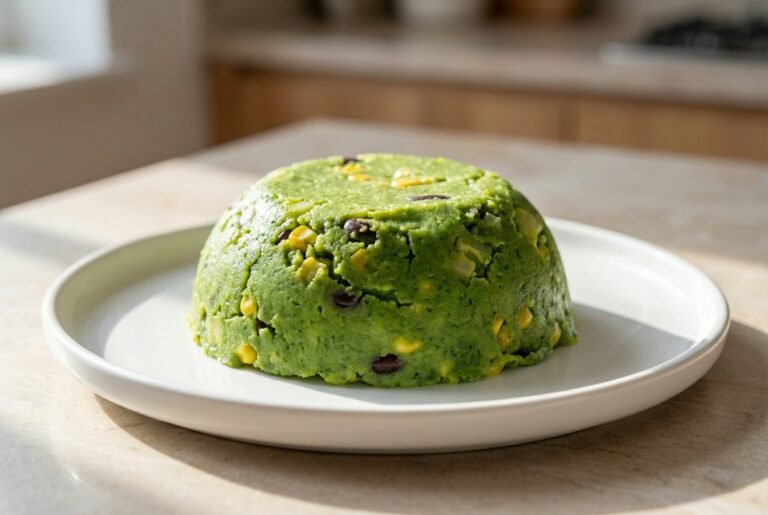
- Mukimo: A vibrant green mash made from potatoes, pumpkin leaves, maize, and beans. It is a traditional Kikuyu delicacy often served at ceremonies and weddings.
- Githeri: A simple yet protein-packed stew of boiled maize and beans. It gained fame as a humble school meal but has been elevated in modern kitchens with the addition of fried aromatics, potatoes, and curry powder.
- Matoke: Green plantains stewed in a rich tomato and coriander gravy. The plantains soften like potatoes but carry a unique, savory banana flavor that is addictive.
Street Food You Must Try
No guide would be complete without mentioning the snacks that fuel the busy streets of Nairobi.
- Samosas: Crispy pastry triangles filled with spiced minced meat or vegetables.
- Mandazi: Sweet, cardamom-spiced fried dough triangles, often called the “Kenyan Donut.” They are the standard breakfast accompaniment to tea.
- Mutura: An African blood sausage, grilled over open flames and stuffed with aromatics. It’s not for the faint of heart, but it is packed with smoky, savory flavor.
Conclusion
Kenyan food is diverse, delicious, and deeply satisfying. Whether you are tearing into a hot Chapati, savoring the smokiness of Nyama Choma, or enjoying the simple comfort of Githeri, you are partaking in a rich cultural heritage that values community and fresh ingredients.
Don’t be afraid to experiment. Try the Sukuma Wiki tonight. Attempt the Pilau this weekend. Bring the warmth of Kenya into your home kitchen.
Start cooking now with our Official Kenyan Recipes App