The Heart of the Highlands: The Ultimate Guide to Cooking Authentic Mukimo
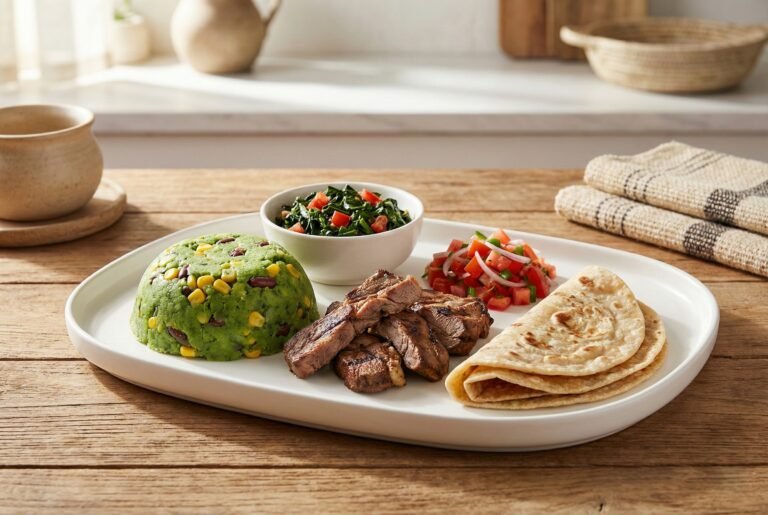
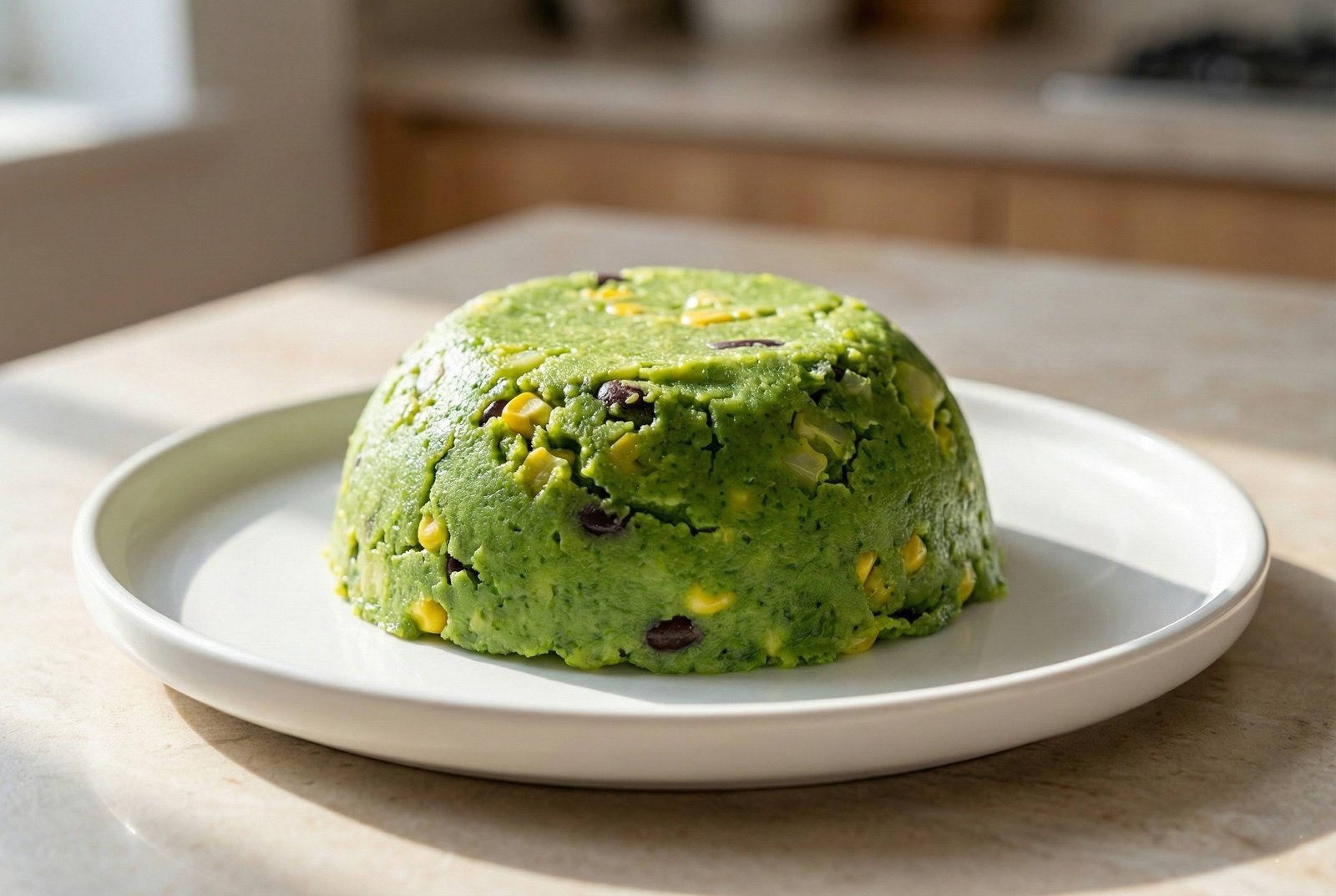
If you were to take a culinary journey to the cool, fertile highlands of Central Kenya, you would inevitably be welcomed with a steaming plate of Mukimo. Visually striking with its vivid green hue and speckled with maize and beans, Mukimo is more than just a side dish; it is an institution.
For the Agikuyu community, from whom this dish originates, Mukimo is the food of celebration. It is present at every significant life event—from dowry negotiations (ruracio) and weddings to burials and naming ceremonies. To serve guests a meal without Mukimo in Central Kenya is to offer an incomplete welcome. For those who want to skip the history and start cooking immediately, you can access our Interactive Mukimo Recipe & Cooking Mode here.
However, its popularity has long since crossed tribal lines. Today, you will find this hearty mash served in high-end Nairobi hotels, bustling vibanda (street food stalls), and family dining tables across the country. It is the ultimate comfort food—dense, savory, and incredibly filling.
In this comprehensive guide, we will explore the history, the science of the ingredients, and the step-by-step technique to perfecting this dish. Whether you are using traditional pumpkin leaves or modern substitutes like spinach, we will help you achieve that authentic taste.
What Exactly is Mukimo?
The name “Mukimo” is derived from the Kikuyu word kima, which implies mashing or pounding. While “mashed potatoes” are a staple in many cultures—from the butter-laden versions of France to the colcannon of Ireland—Mukimo stands apart because of its texture and composition.
It is not light and fluffy. Authentic Mukimo is heavy, sticky, and substantial. It is designed to sustain hard work in the fields or to provide a solid base for celebratory drinking.
To get the exact measurements and cook times for this heavy hitter, check out our Complete Mukimo Ingredient Checklist.
The dish is essentially a marriage of two other Kenyan staples: Mashed Potatoes and Githeri (a mixture of boiled maize and beans). By mashing the potatoes with greens and then folding in the grains, you create a dish that covers all nutritional bases—carbohydrates, vitamins, and plant-based protein—in a single scoop.
The Ingredients: The Science of the Mash
To get the perfect Mukimo, you need to understand your raw materials. The beauty of Kenyan cuisine is that it relies on fresh, organic ingredients rather than complex spices.
1. The Potatoes (Viazi)
The type of potato matters. In Kenya, varieties like the Shangi potato are prized for their high starch content and quick cooking time. If you are cooking this abroad, look for Russet or Yukon Gold potatoes. Avoid waxy potatoes (like red potatoes), as they will result in a gummy, gluey mash rather than a smooth one.
2. The Greens: Pumpkin Leaves vs. Spinach
This is the most debated topic in modern Kenyan cooking.
- Pumpkin Leaves (Kahurura): This is the traditional choice. Pumpkin leaves have a coarse texture and a distinct, earthy flavor. They are rich in iron and give the Mukimo a deep, dark green color. However, they require prep—you must strip the fibrous outer stalks from the stems before boiling.
- Spinach: The modern, urban alternative. Spinach is softer, sweeter, and yields a brighter, neon-green color. It is easier to prep and blend.
- Stinging Nettles (Thabai): In some traditional contexts, stinging nettles were used for their immense medicinal value and deep flavor.
Pro Tip: Whichever green you choose, the secret to a uniform color is blending. In the past, cooks would chop the greens finely and mash them, leaving speckles of leaves. Today, blending the boiled greens into a smooth liquid (puree) before adding them to the potatoes ensures the entire mash is dyed evenly.
3. The Maize and Beans (Githeri)
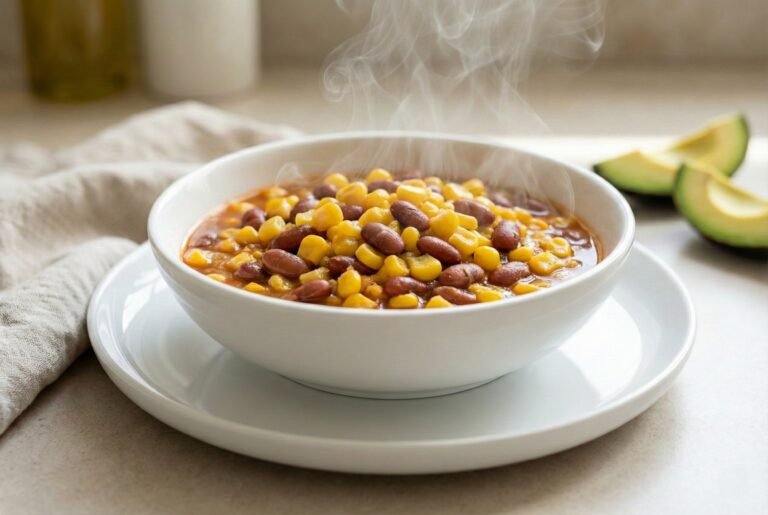
You need soft maize (fresh corn) and red kidney beans.
- Maize: Use fresh green maize if possible. It is sweeter and softer than dried maize. If using sweet corn (common in the US/UK), add it at the very end as it cooks instantly.
- Beans: Red Kidney beans (Wairimu or Nyayo) are the standard. Rosecoco beans are also excellent. They provide a savory, nutty contrast to the sweet corn and potato.
Common Mistakes to Avoid (Troubleshooting)
Even experienced cooks can struggle with Mukimo. Here is how to avoid the most common pitfalls:
- The “Watery” Mash: This is the most common error. After boiling your potatoes, you must drain every single drop of water. If you mash the potatoes while they are sitting in water, you will end up with a soup, not a mash. The moisture should come only from the blended greens puree.
- The “White” Lumps: Nothing ruins the look of Mukimo like white lumps of unmashed potato floating in the green mix. You must mash the potatoes thoroughly with the green puree before adding the maize and beans. Once the beans are in, you can no longer mash vigorously without crushing them.
- The “Bitter” Taste: If you use pumpkin leaves or stinging nettles, you must boil them sufficiently. Undercooked traditional greens can have a bitter or grassy taste. Blanch them in salted water for at least 3-5 minutes.
The Secret Step: Tempering (Kukaanga)
If you boil ingredients and mash them, you have food. But to make Mukimo, you need to temper it.
This final step involves heating vegetable oil (or traditionally, animal fat) in a pan and frying chopped spring onions (scallions) or red onions until they are golden brown and aromatic. This sizzling hot oil and onion mixture is then poured over the finished mash and stirred in.
This adds a glossy sheen to the dish and infuses it with a roasted onion flavor that permeates every bite. Do not skip this step!
Serving Suggestions
Mukimo is a heavy starch (“heavy hitter”), so it pairs best with dishes that have plenty of sauce or gravy.
- Beef Stew (Karanga): The classic combination. The thick potato mash acts as a scoop for the tender beef and rich tomato gravy.
- Chicken Curry (Kuku Paka): For a fusion twist, the coconut-based chicken curry of the coast pairs surprisingly well with the earthy mash.
- Kachumbari: Because Mukimo is rich and dense, you need acid to cut through it. A side of Kachumbari (tomato, onion, chili, and lemon salsa) provides the perfect crunch and zest.
Storage and Reheating
Mukimo is famously known as a dish that tastes even better the next day. As it sits, the flavors of the onion and greens meld with the potatoes.
- Fridge: Store in an airtight container for up to 3 days.
- Freezer: Mukimo freezes surprisingly well. Freeze in portions. To reheat, thaw it out and fry it in a pan with a little butter or oil to revive the texture.
- Reheating: Avoid the microwave if possible, as it can dry out the edges. The best way to reheat Mukimo is in a pan on the stove, stirring frequently, or steaming it.
Frequently Asked Questions (FAQ)
Q: Can I use frozen peas instead of beans?
A: Yes! This variation is called Irio (often associated with the neighboring communities). Using green peas results in a sweeter, smoother mash, whereas kidney beans make it heartier and savory.
Q: Is Mukimo healthy?
A: Absolutely. Unlike plain mashed potatoes which are mostly simple carbs, Mukimo is packed with fiber from the greens, protein from the beans, and vitamins from the maize. It is a complete meal in itself.
Q: Why is my Mukimo sticky?
A: You likely used a waxy potato variety or over-worked the potatoes in a food processor. Always mash by hand for the best texture.
Conclusion
Cooking Mukimo is a connection to the land and the history of Kenya. It is a dish that refuses to be rushed. It requires peeling, boiling, blending, and mashing—physical effort that is rewarded with deep, soulful comfort.
Whether you are serving it at a high-end dinner party or a simple Tuesday family meal, Mukimo brings a sense of occasion to the table. So, go find some greens, boil those potatoes, and bring the taste of the Kenyan highlands into your home tonight.
Start cooking now with our Official Kenyan Recipes App