The Ultimate Comfort Food: How to Cook Authentic Kenyan Githeri
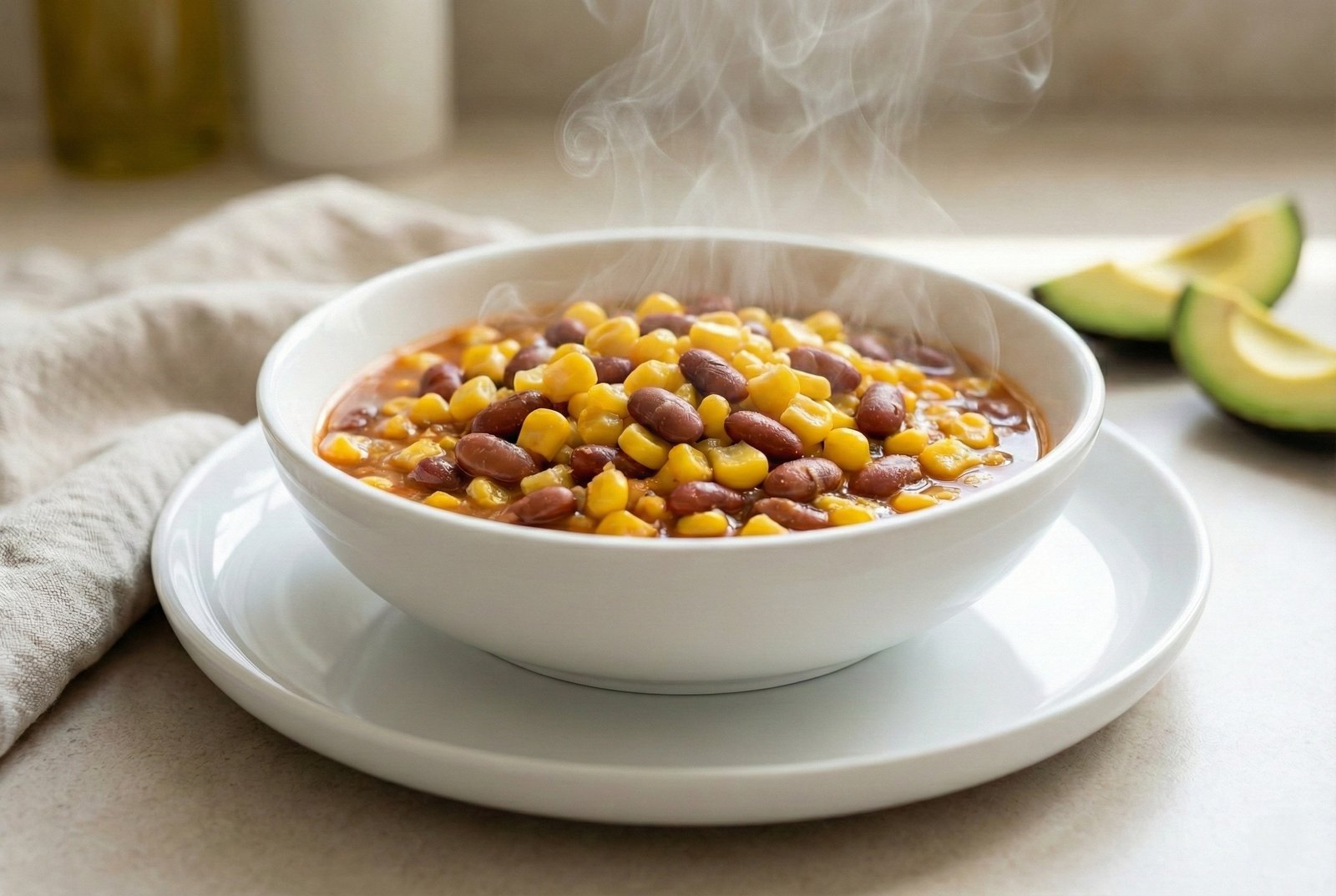
If there is one dish that represents the resilience and simplicity of Kenyan cuisine, it is Githeri. A humble, one-pot stew made from boiled maize (corn) and beans, Githeri is the definition of sustenance. It is a meal that has fed generations—from warriors and farmers to boarding school students and city dwellers.
Originating from the Gikuyu tribe of Central Kenya (who call it Githeri), the dish has spread across the country, adopting new names and variations along the way. In the Kamba community, it is known as Isyo. To the Meru people, it is Muthere. And to nearly every Kenyan who attended boarding school, it evokes a powerful wave of nostalgia (mixed, perhaps, with memories of “weevil checks”!).
While it began as a simple boiled mixture, modern Githeri has evolved. It is no longer just “survival food.” When fried with aromatic onions, ripe tomatoes, and a touch of curry powder, it transforms into a rich, savory stew that is as delicious as it is nutritious.
In this guide, we will explore the history, the nutritional powerhouse that is this dish, and how to elevate it from a basic boil to a flavorful feast. For those who want to skip the history and start cooking immediately, you can access our Interactive Githeri Recipe & Cooking Mode here.
The History: From “Survival Food” to “Superfood”
Historically, Githeri was a meal of convenience and necessity. It allowed farmers to utilize their primary crops—maize and beans—in a single pot, often boiling over a wood fire for hours while other work was done.
For decades, Githeri had a reputation as a “poor man’s food” or strictly a boarding school staple because it was cheap and filling. However, in recent years, there has been a resurgence of appreciation for Githeri, fueled partly by its immense health benefits.
It is a complete plant-based protein source. The combination of maize (a cereal) and beans (a legume) provides all the essential amino acids the body needs. It is packed with fiber, low in fat, and provides sustained energy without the crash of processed foods. In the West, it would be labeled a “superfood bowl.” In Kenya, it’s just lunch.
The Ingredients: Simplicity at its Best
The beauty of Githeri lies in its flexibility. However, the core foundation always remains the same.
1. The Maize (Mahindi) The type of maize you use changes the character of the dish entirely.
- Green Maize (Mahindi Mabichi): This is fresh corn, straight from the cob. It is sweet, soft, and cooks relatively quickly. This version is favored for its tenderness and fresh flavor.
- Dry Maize (Mahindi Makavu): This is dried, mature corn. It requires overnight soaking and a long boiling time (often 2-3 hours). The result is a chewy, hearty grain with a deep, nutty flavor. This is the traditional “heavy” Githeri.
2. The Beans (Maharagwe) Red Kidney beans (Wairimu or Nyayo) are the classic choice. They hold their shape well during the long cooking process and create a rich, dark gravy. Rosecoco beans are also excellent.
3. The “Fry” (Kukaanga) While traditional elders might eat Githeri simply boiled with salt, the modern “fried” version is what most people crave today. This involves a base of:
- Red Onions: Fried until translucent or golden.
- Tomatoes: Lots of ripe tomatoes to create a thick, tangy sauce that coats the grains.
- Potatoes: Many people add cubed potatoes to the stew to add creaminess and thicken the gravy.
- Dhania (Cilantro): The essential fresh herb garnish.
Common Variations
Githeri is a blank canvas. Once you have the base of boiled corn and beans, you can take it in any direction you like.
- Githeri ya Nazi: A coastal twist where coconut milk is added at the end, creating a creamy, fragrant stew.
- Githeri ya Nyama: Adding cubed beef or goat meat transforms it from a side dish into a heavy main course.
- The “Avocado” Rule: It is almost an unwritten law in Kenya that Githeri must be served with a slice of ripe avocado. The creamy, fatty texture of the fruit perfectly balances the chewiness of the maize and beans.
Why “Githeri Man” Made History
The dish is so ingrained in the culture that it became a viral sensation. In 2017, a photograph of a Kenyan man, Martin Kamotho, absentmindedly eating Githeri from a clear plastic bag while waiting in a voting line went viral. He was dubbed “Githeri Man.”
The image resonated because it was so authentically Kenyan. In the midst of political tension, here was a man simply enjoying his humble, comforting mixture of maize and beans. It was a reminder that no matter what happens, Githeri is always there.
Serving Suggestions
Githeri is a standalone meal—you don’t need rice or ugali on the side (that would be double starch!).
- Avocado: As mentioned, this is non-negotiable for many.
- Chili: A side of fresh chili or a dash of hot sauce wakes up the earthy flavors.
- Tea: Surprisingly, many Kenyans enjoy Githeri with a cup of hot, sweet milky tea, even for lunch.
Ready to cook? Making Githeri is easy, but getting the seasoning and tomato-to-grain ratio right is what separates a dry mix from a delicious stew. We have broken down the exact measurements for you.
👉 Get the Full Githeri Recipe & Ingredient Checklist Here
Tips for Success
If you are cooking this for the first time, here are a few tips to ensure success:
- Soak Your Grains: If using dry maize and beans, soak them overnight. This cuts cooking time in half and makes them easier to digest.
- Use a Pressure Cooker: Traditional Githeri takes 2-3 hours to boil on a stove. A pressure cooker can do it in 40 minutes.
- Don’t Skimp on Tomatoes: The “stew” part comes from the tomatoes. If you use too few, your Githeri will be dry. You want enough tomato paste to coat every single kernel.
- Season at the End: If boiling dry beans, add salt only after they are soft. Adding salt at the beginning can toughen the skins of the beans.
Conclusion
Githeri is more than just a mixture of corn and beans; it is a bowl of Kenyan history. It represents the agricultural roots of the country and the simple joy of eating fresh, unadulterated food.
It is cheap, it is healthy, and when cooked with love and plenty of onions, it is incredibly tasty. So, grab a spoon (and an avocado), and dig in.
Start cooking now with our Official Kenyan Recipes App