A Taste of the Tropics: How to Cook Authentic Wali wa Nazi
Close your eyes and imagine you are on the white sandy beaches of the Kenyan coast. The warm breeze of the Indian Ocean is blowing, dhows are sailing in the distance, and the air is filled with the sweet, nutty aroma of simmering coconut milk. This is the home of Wali wa Nazi.
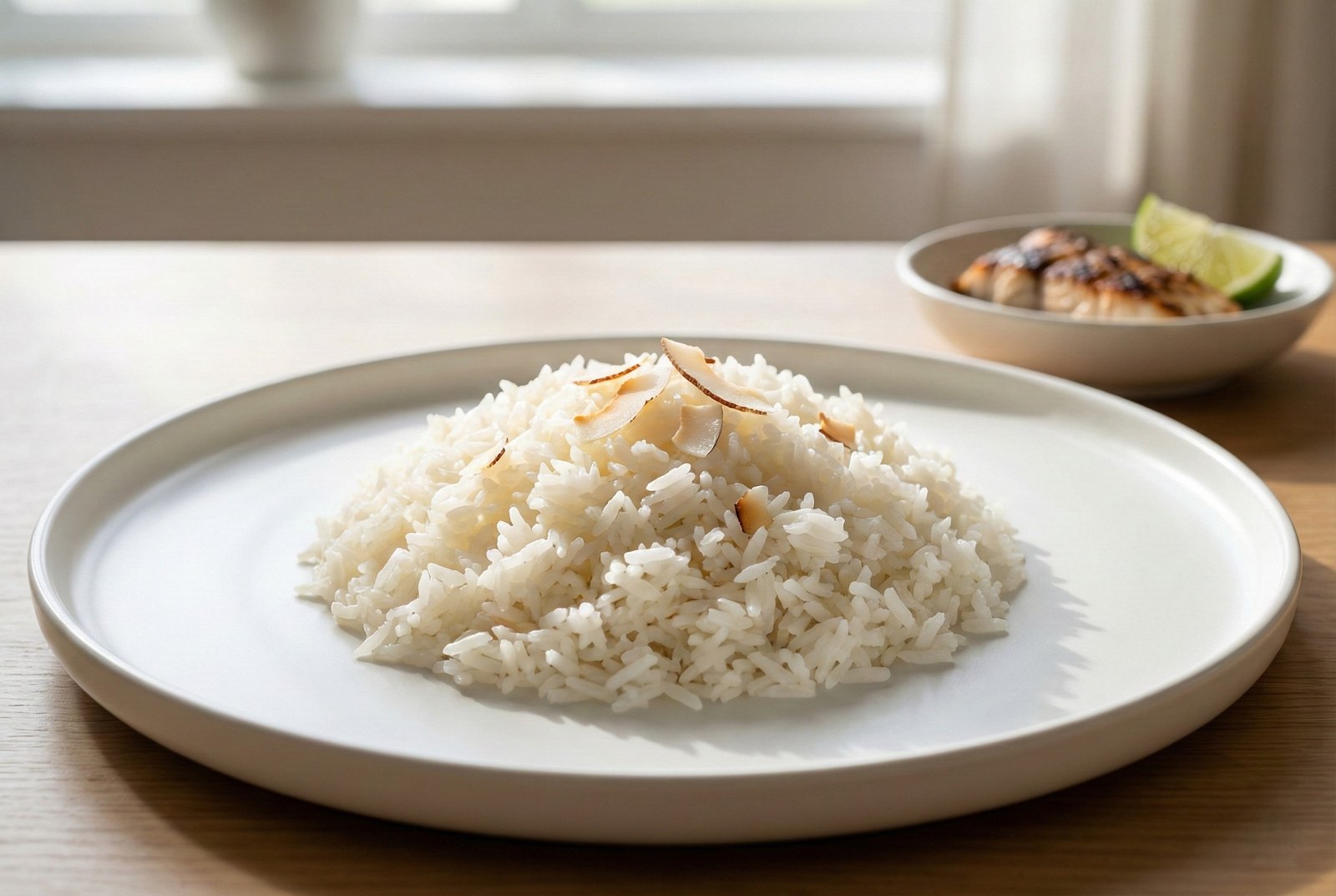
“Wali” means cooked rice, and “Nazi” means coconut. While coconut rice is a dish found in many tropical regions around the world—from the Nasi Lemak of Malaysia to the Arroz con Coco of Colombia—the Swahili version stands out for its elegance and simplicity. It is not overly sweet, nor is it cluttered with spices. It relies entirely on the quality of the coconut milk to transform humble white rice into a rich, creamy, and fragrant masterpiece.
For the Swahili people of Mombasa, Malindi, and Lamu, Wali wa Nazi is not just a side dish; it is a daily essential. It is the perfect foil for the spicy, tamarind-infused fish curries (Samaki wa Kupaka) and rich bean stews (Maharagwe) that define coastal cuisine.
If you have ever wondered how to achieve that perfect balance—where the rice is fluffy and separate, yet infused with creamy coconut oil—this guide is for you. We will explore the traditional method of grating fresh coconut, the difference between “thick” and “thin” milk, and how to replicate this tropical delight in your own kitchen.
For those who are ready to start cooking immediately, you can jump straight to our Interactive Wali wa Nazi Recipe & Cooking Mode here.
The Art of “Tui”: Thick vs. Thin Milk
To understand Wali wa Nazi, you must understand Tui (coconut milk). In a traditional Swahili kitchen, you don’t just open a can. The process begins with a Mbuzi—a traditional wooden stool with a serrated metal blade attached to the front. The cook sits on the stool and grates fresh coconut meat against the blade.
This fresh grated coconut is then squeezed to produce milk in two stages:
- Tui Zito (Thick Milk): The first squeeze, often done with very little water. This is the “cream” of the coconut—rich, heavy, and packed with oil. It is reserved for the final stage of cooking.
- Tui Jepesi (Thin Milk): The second squeeze, where more warm water is added to the grated meat to extract the remaining flavor. This thinner milk is used to boil the rice initially.
While canned coconut milk is a convenient modern substitute, understanding this two-stage process is the secret to authentic flavor. If you dump all the thick coconut cream in at the beginning, it may curdle or separate too early. If you use only thin milk, the rice will lack richness.
The Cooking Method: Absorption is Key
Unlike pasta, which is boiled in excess water and drained, Wali wa Nazi is cooked using the absorption method. The rice must drink up every drop of liquid to retain the coconut flavor.
The magic happens in the Steam Phase. Once the liquid has reduced and bubbles appear on the surface of the rice (known as “eyes”), the heat is turned down to the absolute minimum. The pot is covered tightly—often with a piece of foil or a cloth under the lid to trap steam—and left undisturbed. This gentle steaming allows the grains to swell and fluff up without becoming mushy.
Serving Suggestions
Wali wa Nazi is a team player. Its creamy, slightly sweet profile makes it the perfect partner for dishes with bold, spicy, or sour flavors.
- Samaki wa Kupaka: Grilled fish coated in a rich tamarind and coconut sauce. This is the ultimate coastal Sunday lunch.
- Maharagwe ya Nazi: Kidney beans stewed in coconut milk. This double-coconut pairing is a favorite vegetarian comfort meal.
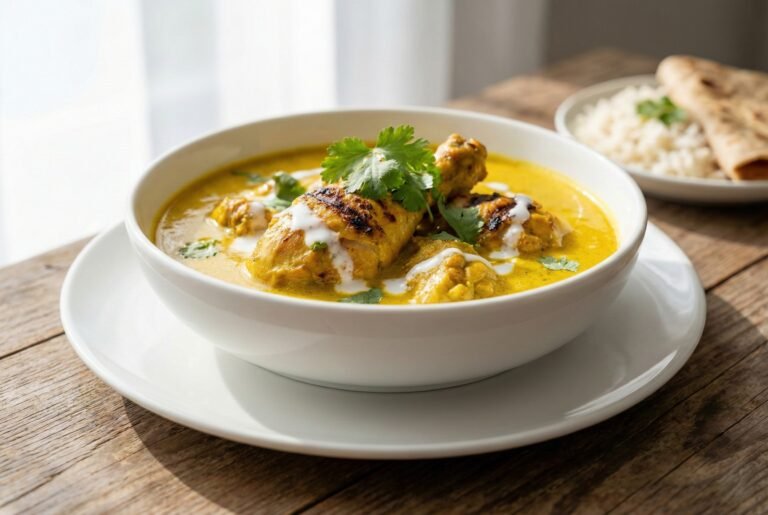
- Kuku Paka: A yellow, turmeric-spiced chicken curry. The rice soaks up the gravy beautifully.
- Plain with Bananas: For a simple lunch, some people enjoy Wali wa Nazi with just a ripe banana and a little stew gravy.
Frequently Asked Questions (FAQ)
Q: Can I use Basmati rice?
A: Yes, Basmati is actually the preferred rice for this dish in modern Kenyan kitchens because it remains fluffy and separate. However, traditionally, local long-grain varieties like Pishori (from the Mwea region) are prized for their unique aroma.
Q: My rice turned out mushy. What happened?
A: This usually means the ratio of liquid to rice was too high, or you stirred it too much. The standard ratio for Basmati is 1 cup of rice to 1.5 cups of liquid. Once you cover the pot to steam, do not open the lid or stir until the time is up. Stirring releases starch and breaks the grains.
Q: Can I use desiccated coconut?
A: In a pinch, yes. You can rehydrate unsweetened desiccated coconut in hot water and squeeze it to make your own milk. However, it will never be quite as oily or fragrant as fresh coconut. High-quality canned coconut milk (full fat) is a better substitute.
Q: Is it a sweet dish?
A: No, it is a savory side dish. While the coconut adds a natural sweetness, salt is added to balance it. It is not a dessert like rice pudding.
Ready to transport your kitchen to the coast?
We have calculated the precise liquid ratios for you to ensure you get fluffy, perfectly cooked rice every time.
👉 Get the Full Wali wa Nazi Ingredient Checklist Here
Detailed Preparation Guide
Below is an overview of the method we use to achieve that perfect balance of fluffy and creamy.
The Ingredients
- Rice: High-quality aromatic rice (Basmati or Pishori).
- Coconut Milk: Ideally split into “thick” and “thin” portions. If using canned milk, dilute half of it with water to create the “thin” milk for boiling.
- Salt: Essential to bring out the coconut flavor.
- Oil (Optional): Some cooks add a teaspoon of vegetable oil to help the grains separate, but the oil from the coconut is usually sufficient.
The Process
- Wash the Rice: Rinse the rice thoroughly until the water runs clear. This removes surface starch that causes clumping.
- Boil: Place the rice, salt, and thin coconut milk (or watered-down canned milk) in a pot. Bring to a boil.
- The Reduction: Let it boil until the liquid reduces to the level of the rice. You should see small craters or holes forming on the surface.
- Add the Cream: Pour the thick coconut milk (or pure canned cream) over the top of the rice. Do not stir vigorously—just a gentle swirl.
- Steam: Reduce heat to the lowest setting. Cover tightly. Let it steam for 15–20 minutes.
- Fluff: Remove from heat and let it sit for 5 minutes. Fluff gently with a fork to mix the creamy top layer with the rest of the rice.
Conclusion
Wali wa Nazi is a testament to the power of simple ingredients. It takes the most basic staple—rice—and elevates it into something luxurious using nothing but the fruit of the palm tree. It is a dish that requires patience and a gentle hand, but the reward is a bowl of rice so fragrant you can eat it on its own.
So, crack open a coconut (or a can), wash your rice, and get ready to enjoy the authentic taste of the Swahili coast.
Start cooking now with our Official Kenyan Recipes App