The Taste of Mombasa: How to Cook Authentic Kuku Paka
There are chicken curries, and then there is Kuku Paka.
If you have ever visited the Kenyan coast—from the busy streets of Mombasa to the quiet islands of Lamu—you know that the food there is different. It is richer, spicier, and heavily influenced by the centuries of trade across the Indian Ocean. While the inland tribes rely on hearty stews and mashes, the coastal Swahili people have perfected the art of the curry. And the undisputed king of their poultry dishes is Kuku Paka.
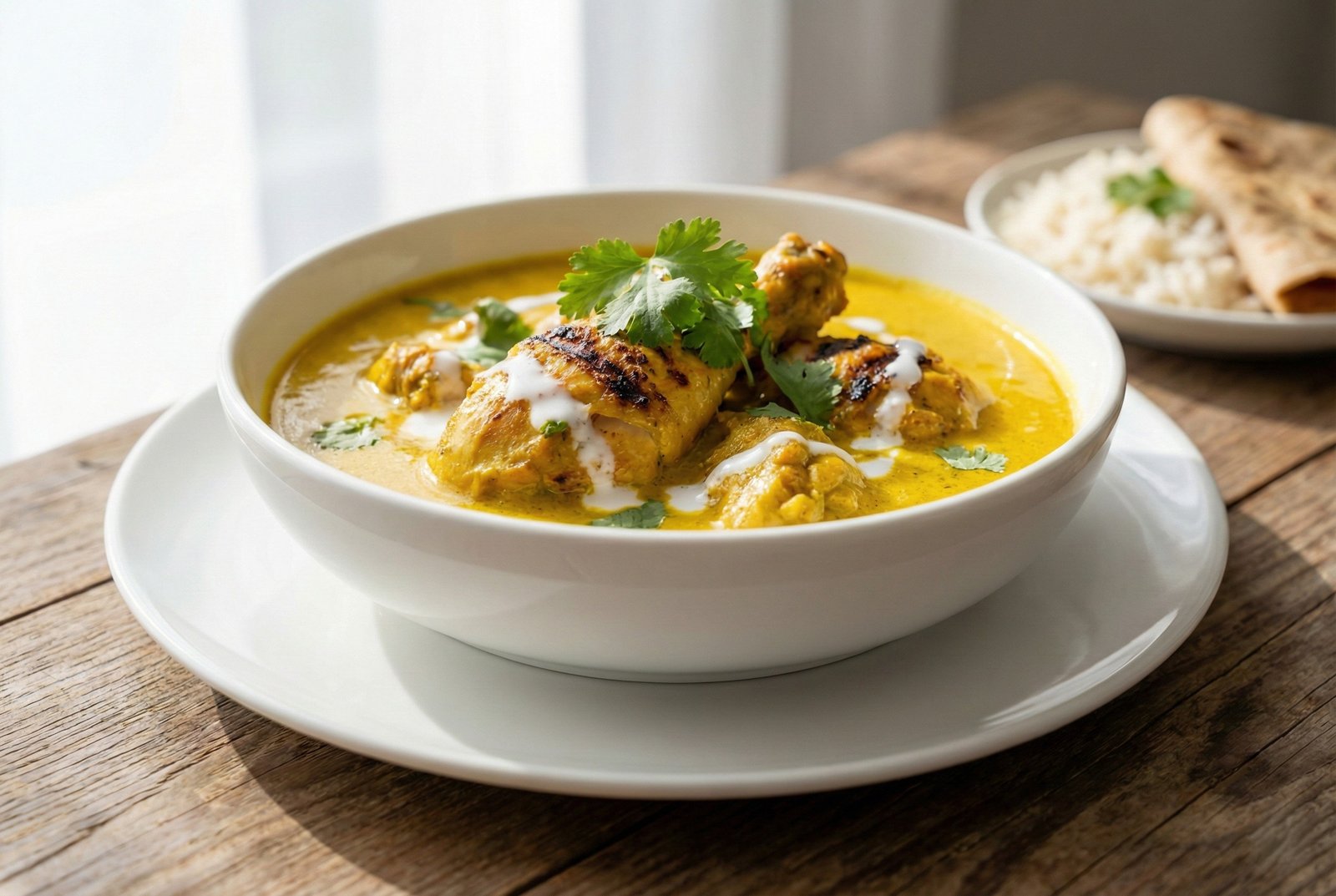
Also known simply as Kuku wa Nazi (Chicken in Coconut), Kuku Paka is a dish of contrasts. It combines the smoky char of grilled chicken with the sweet, creamy richness of coconut milk and the earthy warmth of turmeric and cumin. The name “Paka” is believed to come from the Swahili word meaning “to smear” or “to apply,” referring to the way the thick, luscious sauce coats every inch of the chicken.
It is a dish that feels celebratory. It is vibrant yellow, deeply fragrant, and impossible to eat without getting a little sauce on your fingers. Whether you are hosting a dinner party and want to impress, or simply craving a tropical escape on a rainy Tuesday, this dish delivers.
For those who are ready to start grilling and simmering right now, you can skip the history lesson and jump straight to our Interactive Kuku Paka Recipe & Cooking Mode here.
Table of Contents
The Two-Step Secret: Grill First, Stew Later What separates an authentic Kuku Paka from a generic “coconut chicken curry”? The answer lies in the technique.
In most Western or Indian curries, the raw chicken is cubed and sautéed in the pot before the liquid is added. In Kuku Paka, the chicken is cooked twice.
- The Grill (Choma): The chicken pieces (usually bone-in, skin-on) are first roasted over charcoal or grilled in an oven until the skin is crispy and charred. This step is non-negotiable for authentic flavor. The smoke from the grill infuses the meat, adding a savory depth that boiling simply cannot achieve.
- The Simmer: Only after the chicken is grilled is it added to the coconut sauce. It finishes cooking gently in the liquid, absorbing the spices while retaining that smoky undertone.
See also How to Start a Secondhand Shoe Business in Kenya
If you skip the grilling step, you will still have a delicious curry, but it will lack the signature “Paka” taste. It will taste like boiled chicken in sauce. The char is the star.
The Ingredients: The Swahili Spice Box Coastal cuisine is famous for its use of spices, but unlike some Indian curries which can use 20+ ingredients, Swahili food is often more restrained and focused.
- Coconut Milk (Tui): You need high-quality, thick coconut milk. This is the body of the sauce.
- Turmeric (Manjano): This gives the dish its iconic bright yellow color.
- Cumin (Binzari): Adds an earthy, warm base note.
- Ginger & Garlic: The aromatic foundation of almost all Kenyan cooking.
- Chili (Pilipili): Swahili food has a kick. You can use fresh green chilies or ground chili powder, adjusting to your heat tolerance.
- Lemon: A squeeze of fresh lemon juice at the very end is essential. It brightens the heavy coconut fat and wakes up the entire palate.
Bone-In vs. Boneless While you can use boneless chicken breast for convenience, traditional Kuku Paka is almost always made with bone-in, skin-on chicken pieces (drumsticks, thighs, and wings).
Why?
- Flavor: Bones release marrow and gelatin into the sauce, thickening it and adding flavor.
- Moisture: Bone-in meat stays juicier during the double-cooking process (grill then simmer). Breast meat tends to dry out.
- The Experience: Eating Kuku Paka is a tactile experience. Navigating the bones with your hands (while scooping up sauce with rice) is part of the fun.
Serving Suggestions Kuku Paka is a rich, saucy dish, so it needs a starch that can soak up every drop.
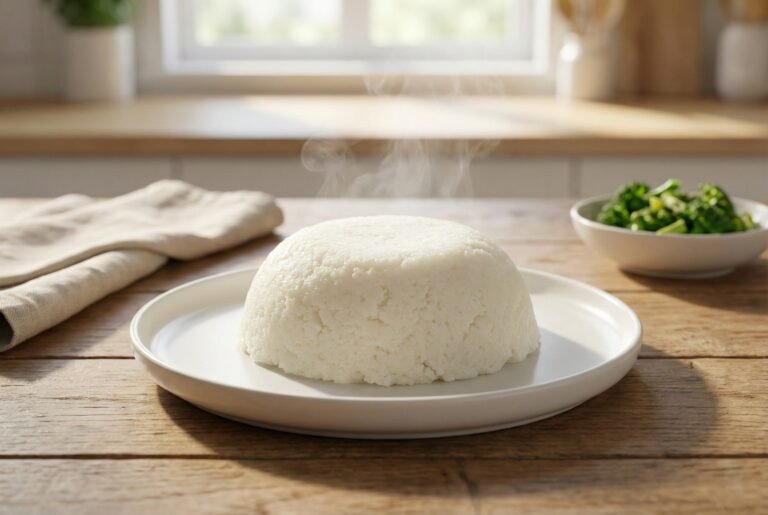
- Wali wa Nazi (Coconut Rice): For the ultimate “coconut on coconut” feast, serve it over rice cooked in coconut milk.
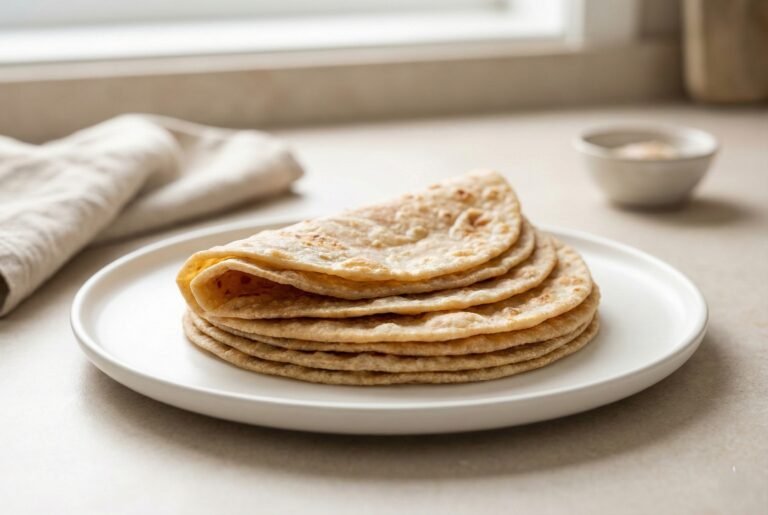
- Chapati: A flaky flatbread is the perfect utensil for scooping up the thick yellow gravy.
- Mahamri: These sweet, cardamom-spiced doughnuts are often eaten with savory curries on the coast, creating a delightful sweet-and-salty pairing.
See also The National Obsession: How to Make Authentic Nyama Choma
Frequently Asked Questions (FAQ)
Q: Can I make this vegan? A: Yes! You can substitute the chicken with large chunks of fried tofu, roasted potatoes, or even grilled cauliflower. The sauce itself (coconut, onions, spices) is naturally vegan.
Q: My sauce split/curdled. What happened? A: Coconut milk can split if boiled too vigorously on high heat. Once you add the coconut milk, lower the heat to a gentle simmer. Do not let it boil rapidly. Also, adding the lemon juice too early can curdle the milk; always add acid at the very end, off the heat.
Q: How spicy is it? A: Authentic Kuku Paka has a medium heat—it should warm your chest but not burn your tongue. You can control the spice level by adjusting the amount of chili powder or omitting the fresh chilies.
Q: Can I use light coconut milk? A: You can, but the sauce will be thin and watery. Kuku Paka is meant to be indulgent. If you must use light milk, you may need to simmer it longer to reduce it, or add a little cornstarch to thicken it.
Ready to bring the coast to your kitchen? We have calculated the exact spice ratios and grilling times to ensure your chicken is smoky, tender, and perfectly spiced.
Get the Full Kuku Paka Recipe & Ingredient Checklist Here
Detailed Preparation Guide
Below is an overview of the method we use to achieve that perfect balance of smoke and creaminess.
The Ingredients
- Chicken: 1 whole chicken cut into pieces, or 1kg of thighs/drumsticks.
- Coconut Milk: 2 cups of thick milk.
- Onion: 1 large red onion, finely chopped or blended.
- Ginger/Garlic Paste: 1 tablespoon.
- Spices: Turmeric, Cumin, Chili Powder, Salt.
- Lemon: 1 fresh lemon.
- Cilantro (Dhania): For garnish.
The Process
- Marinate & Grill: Rub the chicken pieces with salt and a little oil. Grill them over charcoal or broil in the oven until the skin is browned and crispy (about 20 minutes). They don’t need to be 100% cooked through inside yet.
- The Base: In a large, wide pot (or sufuria), heat oil and fry the onions until soft. Add the ginger and garlic paste and fry until fragrant.
- Bloom Spices: Add the turmeric, cumin, and chili powder. Stir for 1 minute. This “blooms” the spices, releasing their essential oils.
- The Sauce: Pour in the coconut milk. Bring to a gentle simmer. Season with salt.
- Combine: Nestle the grilled chicken pieces into the yellow sauce. If the liquid doesn’t cover them, add a splash of water.
- Simmer: Cover and simmer on low heat for 15-20 minutes. The chicken will finish cooking, and the sauce will thicken and cling to the meat.
- Finish: Squeeze lemon juice over the pot and garnish with fresh cilantro.
See also How to Make Authentic Kenyan Goat Choma (Mbuzi Choma)
Conclusion
Kuku Paka is more than just a meal; it is a mood. It brings the sunshine, the ocean breeze, and the hospitality of the Swahili people right to your dining table. It is a dish that invites you to slow down, use your hands, and savor the complex layers of flavor.
So, light up the grill (or turn on the broiler), crack open a coconut, and get ready for a feast.
Start cooking now with our Official Kenyan Recipes App