The National Obsession: How to Make Authentic Nyama Choma
If you drive through any town in Kenya—from the bustling highways of Nairobi to the quiet rural markets of the Rift Valley—you will see smoke rising. It is not a forest fire; it is the sign of a good time. It is the smoke of Nyama Choma.
“Nyama Choma” literally translates to “roasted meat” in Swahili. But to describe it simply as “BBQ” is to miss the point entirely. In the West, barbecue is often about the sauce—thick, sweet, sticky layers of flavor painted onto the meat. In Kenya, Nyama Choma is about the meat itself. It is primal, unadorned, and brutally simple.
It is the national pastime, the centerpiece of every social gathering, and the unspoken language of friendship. Whether it is a quick bite at a roadside butcher shop or a leisurely Sunday afternoon feast with family, Nyama Choma is the glue that holds Kenyan social life together.
If you want to bring this smoky, savory tradition into your own backyard, you don’t need a fancy smoker or expensive rubs. You just need patience, good meat, and a lot of salt.
For those ready to fire up the grill immediately, you can jump straight to our Interactive Nyama Choma Recipe & Cooking Mode here.
Table of Contents
The Meat: Goat vs. Beef
While you can technically “choma” (roast) anything, when a Kenyan says “Nyama Choma,” they almost always mean Goat (Mbuzi).
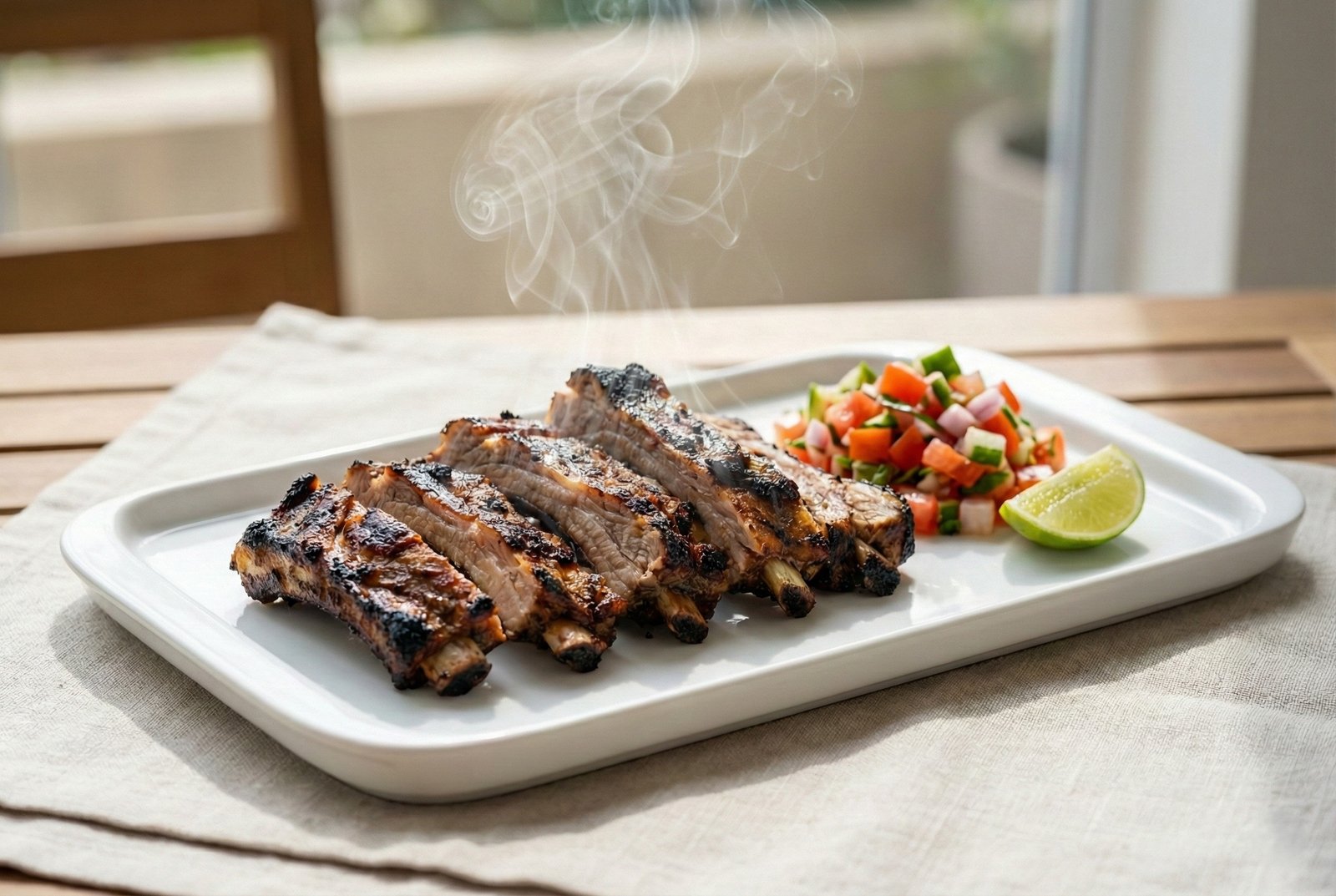
Goat meat is prized for its lean texture and distinct, slightly gamey flavor that stands up well to the smoke. The most coveted cuts are the ribs and the leg. The ribs offer a delightful mix of fat, bone, and crispy meat, while the leg provides substantial chunks for a hungry crowd.
See also How to Make Perfect Ugali and Sukuma Wiki – A Classic Kenyan Dish
Beef (Ng’ombe) is the second most popular option and is often more accessible internationally. If choosing beef, opt for fatty cuts like short ribs or brisket. You need fat to keep the meat moist during the long roasting process, as traditional Nyama Choma is cooked well-done.
The Marinade Myth
This is where most international recipes get it wrong. If you search online, you will find recipes calling for garlic, ginger, lemon juice, chili, and curry powder marinades.
That is not authentic Nyama Choma. That is spiced roast meat.
The authentic Kenyan way—the way it is done in the famous butcheries of Nairobi West and Kenyatta Market—relies on only one seasoning: Salt Water.
The logic is simple: the meat should taste like meat. The flavor comes from the quality of the goat, the smokiness of the charcoal, and the caramelization of the fat. Masking it with spices is seen as unnecessary.
Instead of marinating beforehand, the meat is placed on the grill plain. As it cooks, the Choma master (grill chef) periodically bastes it with a simple solution of warm water and salt. This salty brine penetrates the hot meat, seasoning it from the inside out and keeping it juicy.
The Accompaniments: The Holy Trinity
You cannot serve Nyama Choma alone. It requires a supporting cast to balance the richness of the meat.
- Kachumbari: This is non-negotiable. Kachumbari is a fresh, uncooked salad consisting of diced red onions, tomatoes, coriander (dhania), and green chilies (optional). It is dressed simply with salt and lemon juice (or vinegar). The sharp acid and crunch of the raw onions cut through the fatty, smoky meat, cleansing the palate between bites.
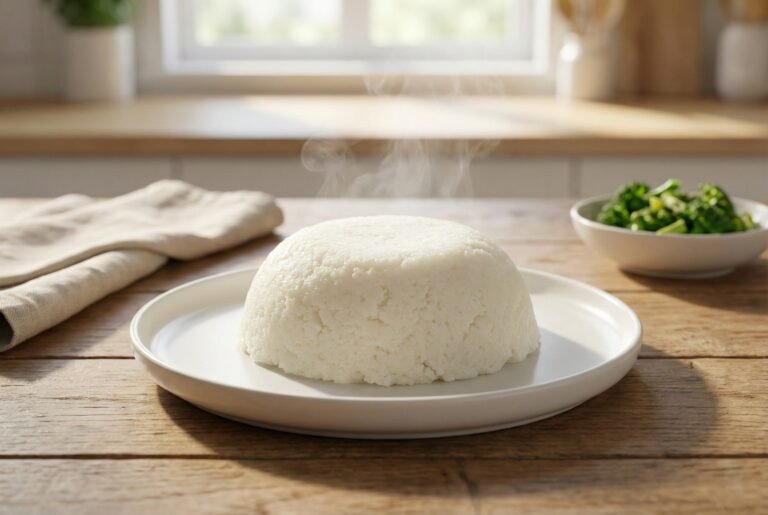
- Ugali: The dense cornmeal cake acts as the utensil. You pinch a piece of Ugali, grab a piece of meat and some Kachumbari, and eat it all in one bite. The blandness of the Ugali highlights the savory intensity of the goat.
- Salt: A small pile of coarse salt is always placed on the side of the cutting board for dipping.
See also Smart Online Giving with Mchango Inspector
The Butchery Experience
In Kenya, you don’t order a pre-plated steak. You walk into the butchery, point at the raw leg of goat hanging in the window, and say, “Choma that one.”
After an hour or so of roasting over charcoal, the meat is brought to your table on a wooden cutting board, sizzling and steaming. The butcher then proceeds to chop it into bite-sized chunks right in front of you. This communal style of eating—picking pieces off a shared central board with your hands—is what makes Nyama Choma so special.
Frequently Asked Questions (FAQ)
Q: Can I make Nyama Choma in an oven?
A: Yes, but you will miss the smoke flavor. To replicate it indoors, roast the meat on a wire rack over a baking sheet at 350°F (175°C) for slow cooking, then blast it under the broiler (grill setting) for the last 10 minutes to get that charred, crispy exterior.
Q: Is goat meat healthy?
A: Surprisingly, yes. Goat is leaner than beef, pork, and even chicken. It is high in iron and protein. Because Nyama Choma is roasted (allowing fat to drip away) rather than fried, it is a relatively healthy way to enjoy red meat.
Q: Why is my meat tough?
A: Goat is naturally tougher than beef. The secret is low and slow heat. If you rush it over a high flame, the muscle fibers seize up. You need gentle heat to break down the connective tissue. Also, slicing the meat against the grain when serving helps make it chewable.
Q: What do I drink with it?
A: The classic pairing is a cold lager beer (like Tusker). For non-alcoholic options, a cold soda or tangy fermented milk (Mala) works well.
Ready to fire up the grill?
We have the exact salt-to-water ratio and timing guides to ensure your first attempt is a success.
See also Home
Get the Full Nyama Choma Recipe & Ingredient Checklist Here
Detailed Preparation Guide
Below is the method for the purist.
The Ingredients
- Goat Meat: 1kg of ribs or leg (bone-in is essential for flavor).
- Salt: 2-3 tablespoons.
- Warm Water: 1 cup.
- Oil: Optional, just for the grill grates.
The Process
- Prep the Fire: You want medium, consistent charcoal heat. Not a raging flame.
- Score the Fat: Make shallow cuts in the fat cap of the meat to help it render.
- The Roast: Place the meat on the grill. Leave it alone for the first 15 minutes to seal.
- The Baste: Dissolve the salt in the warm water. From this point on, every time you turn the meat (every 10-15 minutes), brush or splash it generously with the salt water.
- The Crisp: After about 45-60 minutes, when the meat is cooked through, lower the grate or stoke the fire to char the outside for that crispy texture.
- Rest & Serve: Let it rest in foil for 10 minutes (crucial for juices). Chop into bite-sized pieces and serve on a wooden board.
Conclusion
Nyama Choma is more than a meal; it is a ritual. It reminds us to slow down, to gather with friends, and to appreciate the simple things—salt, fire, and good meat.
So this weekend, skip the burgers and hot dogs. Find a good butcher, get some goat ribs, and bring the taste of Nairobi to your neighborhood.
Start cooking now with our Official Kenyan Recipes App