Karanga: The Ultimate Kenyan Beef & Potato Stew (Wet Fry)
If there is one dish that defines the sound and smell of a Kenyan kitchen on a weekday evening, it is Karanga. While visitors often flock to the famous Nyama Choma (roasted meat), Karanga is the unsung hero of the household—the warm, hearty, “meat-and-potatoes” stew that fuels the nation.
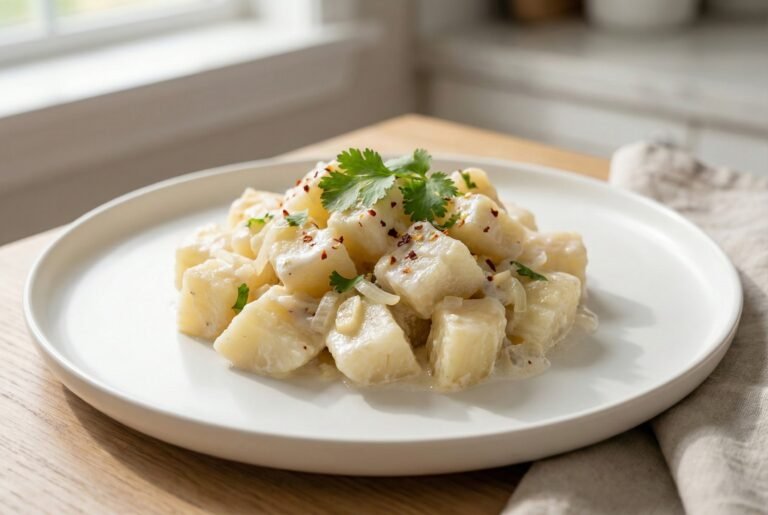
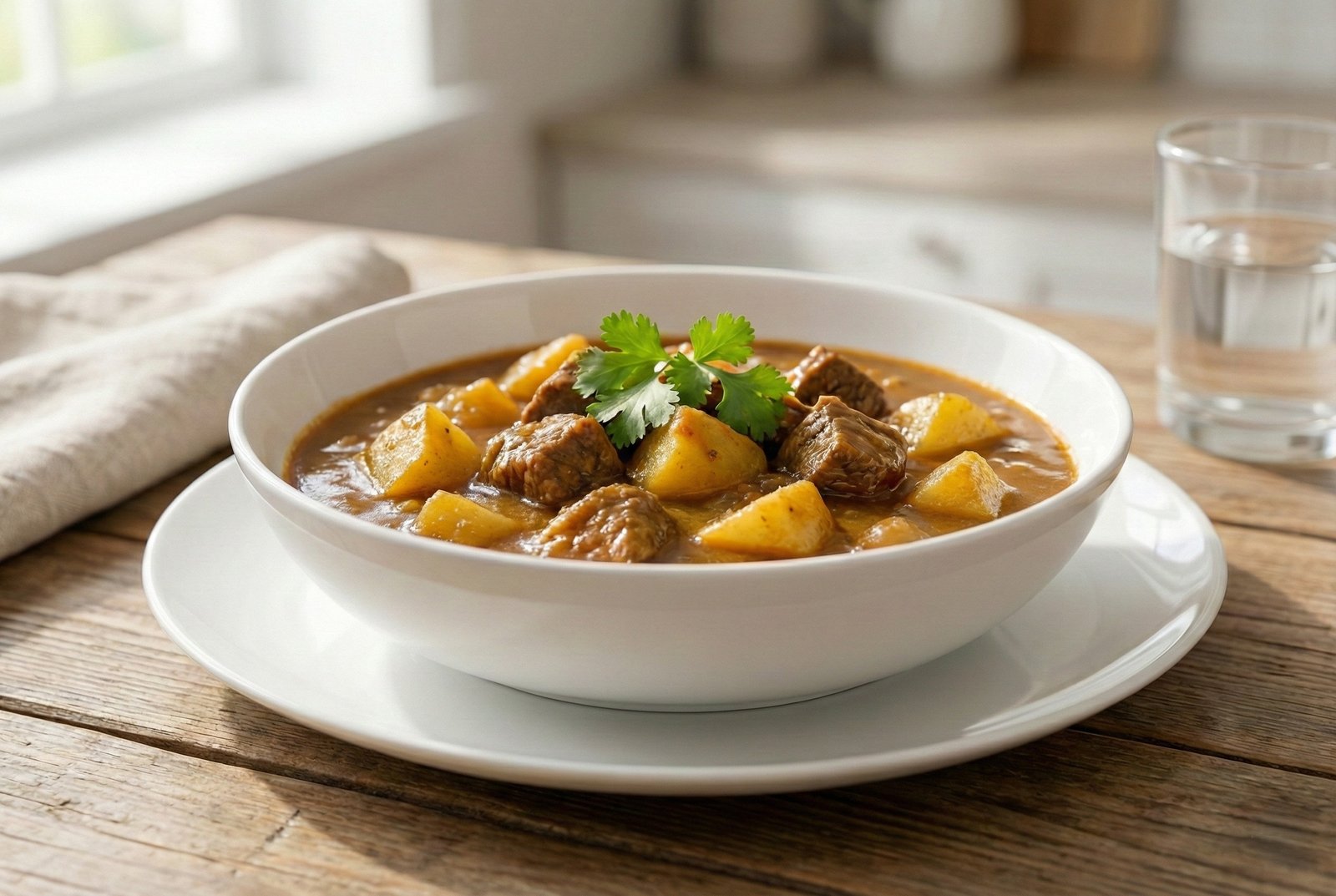
“Karanga” loosely translates to “stew” or “fry” in Swahili. It sits comfortably between a soup and a dry curry. It is not watery enough to be sipped from a bowl, yet it is saucy enough to coat every grain of rice or layer of chapati it touches. It is the definition of comfort food: tender chunks of beef and soft, buttery potatoes swimming in a rich, tomato-based gravy.
This is not a dish that requires fancy equipment or rare spices. It relies on the alchemy of simple ingredients—beef, onions, tomatoes, and potatoes—cooked slowly until they meld into something greater than the sum of their parts. It is simple, unpretentious, and incredibly satisfying.
For those who are ready to get the pot bubbling immediately, you can access our Interactive Karanga Recipe & Cooking Mode here.
The Art of the “Wet Fry”
In Kenyan culinary terminology, you will often hear people ask for “Wet Fry” or “Dry Fry.” Karanga falls squarely into the “Wet Fry” category.
The goal is to create a thick, luscious gravy (mchuzi) without using artificial thickeners like cornstarch. The thickness comes from two sources:
- The Tomatoes: They must be cooked down until they disintegrate completely, forming a thick paste before the water is added.
- The Potatoes: As the potatoes simmer, they release starch into the liquid. This natural starch binds the water and the tomato base, creating a glossy sauce that clings to the meat.
The Ingredients: Choosing Your Cuts
Because Karanga is a stew, you do not need expensive cuts of meat. In fact, leaner, tougher cuts often work best because they have enough connective tissue to stay moist during the simmering process.
- The Beef: Look for “stewing beef” or chuck steak. Cubing the meat into bite-sized pieces ensures it cooks evenly and allows the flavor of the sauce to penetrate every fiber.
- The Potatoes: This is the co-star of the show. You want a potato that will soften but not vanish. Russet or Yukon Gold potatoes are excellent choices. They absorb the beef stock and become little flavor bombs themselves.
- The Flavor Enhancer: While traditional recipes rely on salt, the modern Kenyan kitchen almost universally uses a Beef Bouillon Cube (often referred to by the brand name Royco in Kenya). This little cube adds a punch of umami and depth that mimics hours of slow roasting.
Serving Suggestions
Karanga is the ultimate team player. It pairs perfectly with almost any Kenyan starch.
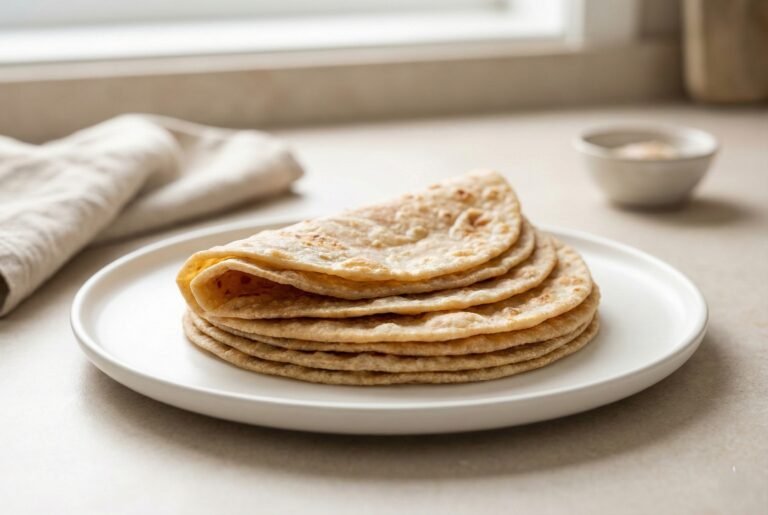
- Chapati: This is the classic “Chap-po and Stew” combo. The soft layers of the flatbread are perfect for scooping up the thick gravy and potato chunks.
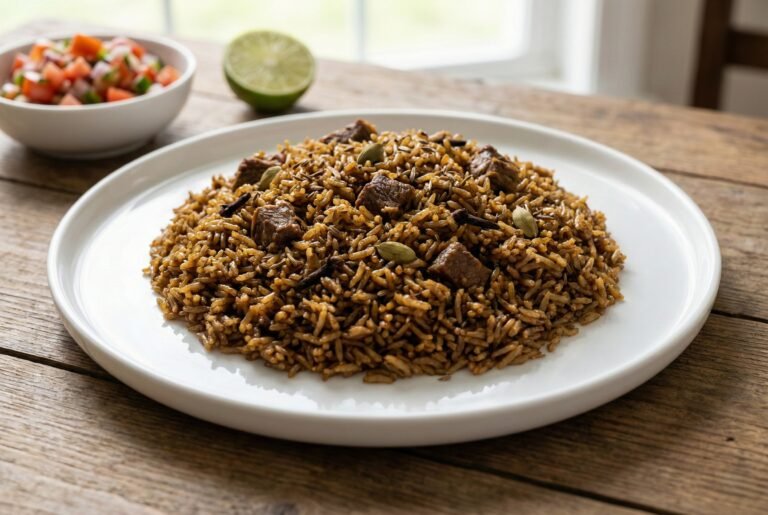
- Wali (Rice): A mound of steaming white rice topped with a ladle of Karanga is a standard lunch across the country.
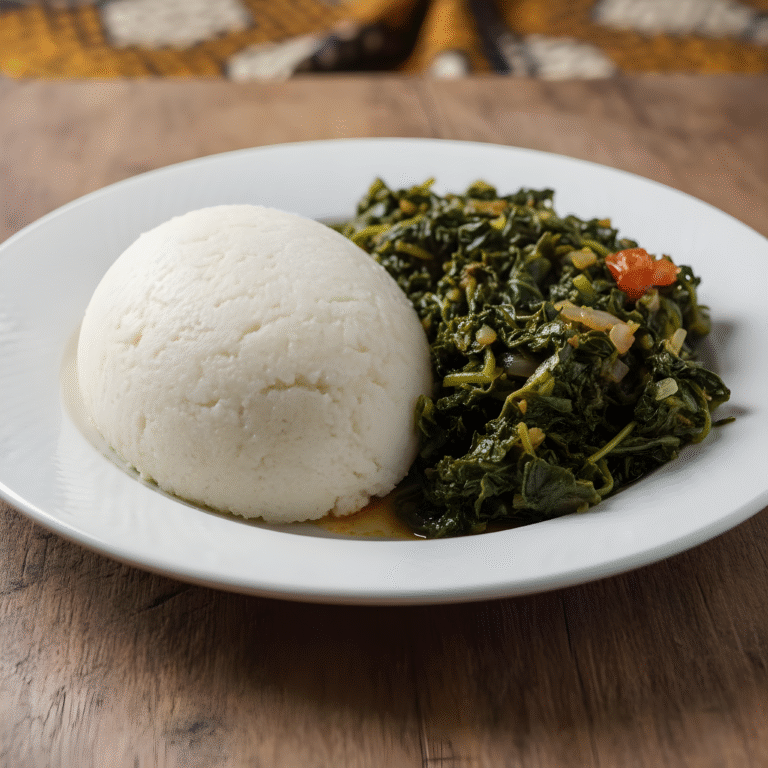
- Ugali: For a heartier meal, serve it with Ugali and a side of greens (Sukuma Wiki).
Frequently Asked Questions (FAQ)
Q: Can I add vegetables?
A: Absolutely. While the classic version is strictly meat and potatoes, it is very common to add diced carrots, green peas (minji), or even green bell peppers (hoho) for extra color and nutrition.
Q: My stew is too watery. How do I fix it?
A: You likely added too much water or didn’t let the tomatoes break down enough. To fix it, remove the lid and let it boil vigorously for 5-10 minutes to reduce. Alternatively, take one or two pieces of cooked potato, mash them against the side of the pot, and stir them back in to thicken the sauce instantly.
Q: Can I use chicken?
A: Yes, “Chicken Karanga” is also delicious. However, chicken cooks much faster than beef, so you should add the potatoes earlier in the process so they finish cooking at the same time as the meat.
Ready to make the ultimate comfort stew?
We have the exact simmering times and water ratios to ensure your potatoes are perfectly soft and your gravy is rich and thick.
👉 Get the Full Karanga Recipe & Ingredient Checklist Here
Detailed Preparation Guide
Below is an overview of the method we use to create that signature thick gravy.
The Ingredients
- Beef: 500g, cubed into bite-sized pieces.
- Potatoes: 4 medium potatoes, peeled and halved (or quartered if large).
- Aromatics: 1 onion (chopped), 2 tomatoes (chopped), and garlic (minced).
- Seasoning: 1 Beef Bouillon Cube.
- Liquid: Water.
The Process
- Sear: Heat oil in a heavy pot and fry the beef cubes until they are browned on all sides. This “Maillard reaction” seals in the juices and adds a savory depth to the stew.
- Aromatics: Add the chopped onions and minced garlic to the beef. Fry until the onions are soft, translucent, and fragrant.
- Deglaze: Add the chopped tomatoes. This is a crucial step—cook them, stirring occasionally, until they completely disintegrate into a thick, red paste. This paste is the foundation of your gravy.
- Potatoes: Add the potato chunks to the pot. Stir well to coat them in the tomato and beef mixture.
- Stew: Pour in enough water to just cover the mixture (do not drown it). Crumble in the beef bouillon cube for flavor.
- Cook: Cover the pot and reduce heat to a simmer. Cook for 25-30 minutes. The stew is ready when a fork slides easily into the potatoes and the gravy has thickened to a rich consistency.
Conclusion
Karanga is more than just dinner; it is a warm hug in a bowl. It reminds us that you don’t need complex techniques to create a meal that feels like home. Whether you are feeding a hungry family or meal-prepping for the week, this stew never disappoints.
So, peel those potatoes, brown that beef, and fill your kitchen with the aroma of a Kenyan classic.
Start cooking now with our Official Kenyan Recipes App