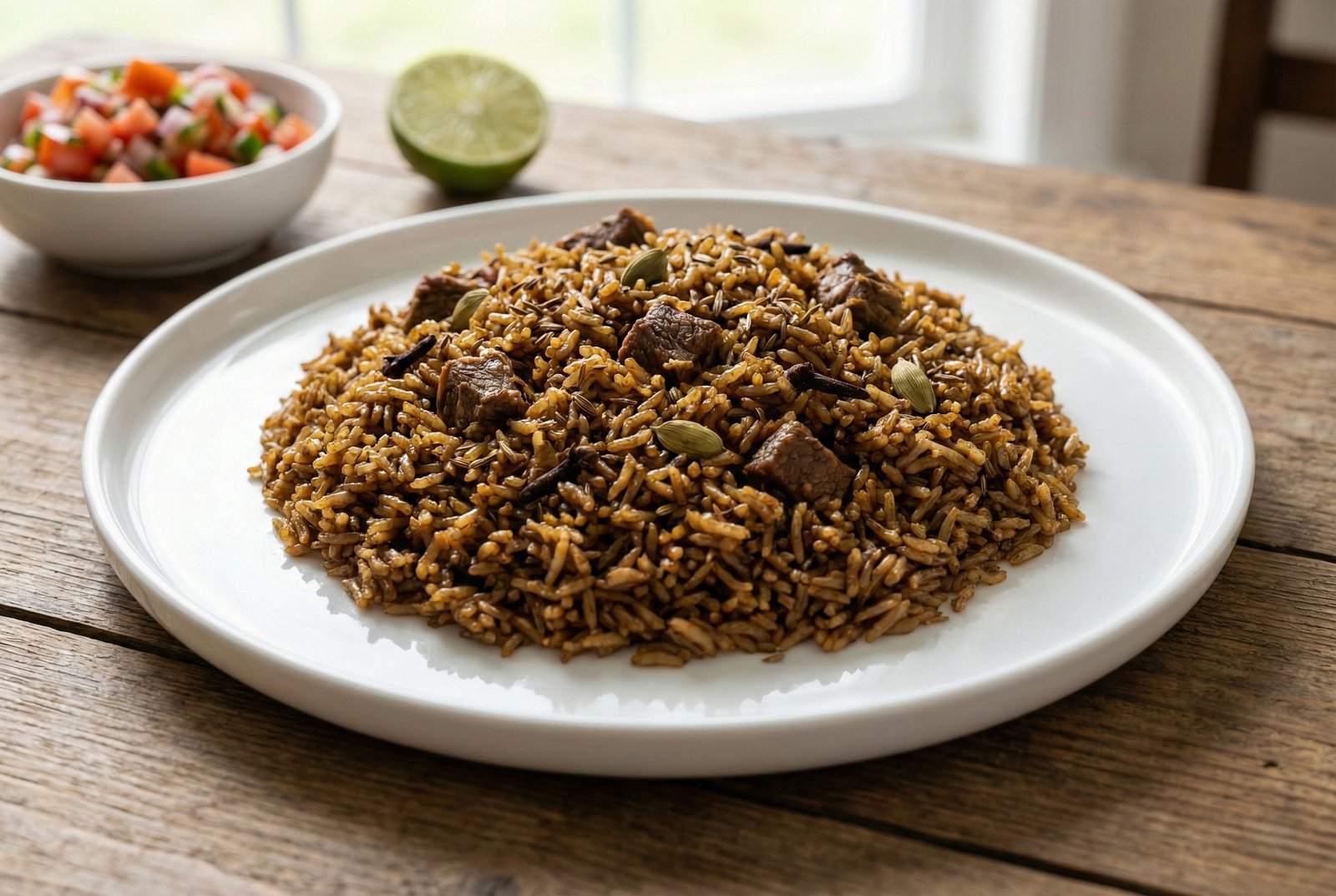
The Scent of Celebration: How to Cook Authentic Swahili Pilau
If you walk through the streets of Mombasa or attend a wedding in Nairobi, there is one aroma that is unmistakable. It is a warm, heady fragrance of cardamom, cloves, cinnamon, and caramelizing onions. It is the smell of Pilau.
In Kenya, Pilau is not just rice; it is royalty. While plain white rice or Ugali might be everyday staples, Pilau is the dish reserved for guests, holidays (like Eid and Christmas), and grand celebrations. It is a dish that signals to everyone at the table: “You are welcome, and today is special.”
Originating from the coastal Swahili people, whose cuisine is a beautiful tapestry of African, Arab, and Indian influences, Pilau has conquered the entire East African region. However, unlike the lighter, often multi-colored Indian pilafs, the Kenyan version is distinct. It is darker, bolder, and intensely flavorful without being “hot” spicy.
If you have ever tried to make Pilau and ended up with pale, sticky rice that tasted bland, do not worry. You are not alone. Mastering Pilau is a rite of passage for many Kenyan cooks. In this guide, we will decode the mystery of the “perfect brown color,” the spice blend, and the water-to-rice ratio.
For those ready to skip the theory and start chopping onions, you can access our Interactive Pilau Recipe & Cooking Mode here.
The Secret is in the “Pilau Masala”
The heart and soul of this dish lie in the spices. You simply cannot make Pilau with generic curry powder. You need Pilau Masala.
This is a specific blend of whole or ground spices, typically consisting of:
- Cumin (Jeera): The earthy base note.
- Cardamom (Iliki): The floral, sweet aroma that defines the dish.
- Cloves (Karafuu): Deep, pungent, and warm.
- Cinnamon (Mdalasini): Subtle sweetness.
- Black Pepper (Pilipili Manga): A gentle heat.
Whole vs. Ground: Purists will argue that whole spices are superior. Biting into a burst of cardamom or a clove is part of the authentic experience for many. However, ground Pilau Masala is convenient and ensures the flavor is evenly distributed, which is often preferred by children or those new to the cuisine. The recipe we use allows for either, but grinding your own whole spices fresh is the gold standard.
The Mystery of the Dark Brown Color
The most common question beginners ask is: “Why is my Pilau white?”
The dark, appetizing brown color of authentic Kenyan Pilau does not come from soy sauce or food coloring. It comes from two sources:
- The Onions: This is the most critical step. You must fry your red onions until they are dark brown. Not translucent, not golden, but almost on the verge of burning. This deep caramelization creates a dark oil base that dyes the rice.
- The Meat: Browning the beef (or goat/chicken) in the same oil adds to the rich color and depth of flavor.
If you rush the onions, your Pilau will be pale. Patience is the only secret ingredient here.
The Technique: “One Pot” Magic
Pilau is a one-pot meal, which makes it surprisingly practical once you get the hang of it. The magic happens in layers:
- The Base: Oil infused with caramelized onions and garlic-ginger paste.
- The Protein: Tender chunks of beef (pre-boiled to ensure softness) are fried in this aromatic base.
- The Toast: The raw rice is added and stirred (“toasted”) in the spiced oil. This coats every grain, preventing them from sticking together later.
- The Absorption: Hot liquid (usually the broth from boiling the beef) is added, and the pot is sealed tight.
Serving Suggestions
A plate of Pilau is rarely served alone. It needs freshness to balance the rich, heavy spices.
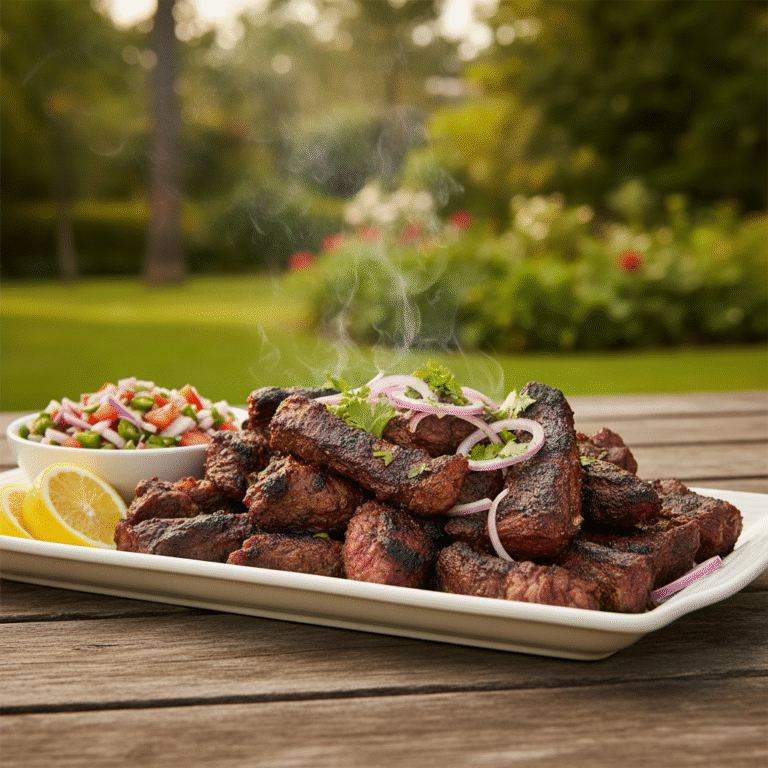
- Kachumbari: The non-negotiable sidekick. A fresh salsa of diced tomatoes, red onions, chili, and coriander (cilantro) with a squeeze of lemon or vinegar. The acid cuts through the fat of the Pilau perfectly.
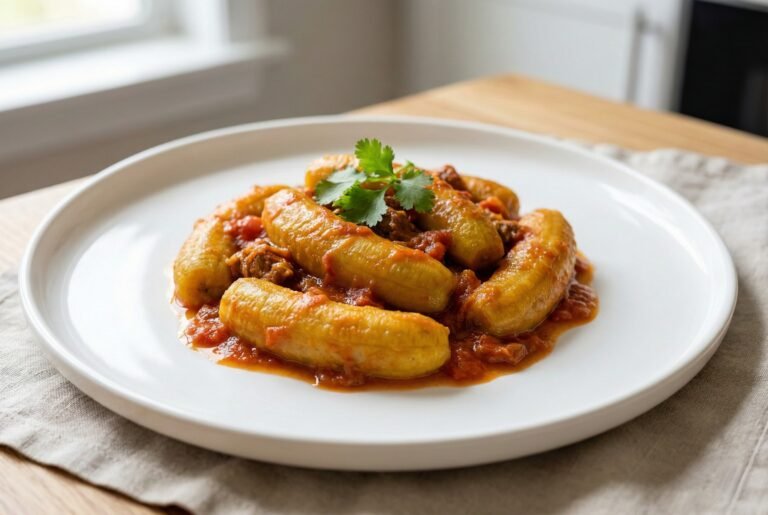
- Banana: Yes, a ripe, sweet banana. It might sound strange to outsiders, but slicing a banana onto your savory, spiced rice is a beloved Kenyan tradition. The sweetness complements the cloves and cinnamon beautifully.
- Pilipili ya Kukaanga: A cooked hot chili paste often served on the side for those who want extra heat.
Frequently Asked Questions (FAQ)
Q: Can I use brown rice instead of white? A: Yes, you can, but it will change the texture and cooking time significantly. Brown rice requires more liquid (about 2 cups per cup of rice) and a longer cooking time (40-50 minutes). The result will be nuttier and chewier than traditional Pilau.
Q: Can I make Pilau without meat (Vegetarian)? A: Absolutely! Simply skip the meat and use vegetable broth or water. To add substance, you can include large chunks of potatoes (Pilau ya Viazi) or green peas. The spice base remains the same.
Q: Why is my rice breaking? A: This usually happens if you stir the rice too much after adding the water. Once the liquid is in and boiling, cover the pot and leave it alone. Over-stirring releases excess starch, making the rice gummy and prone to breaking. Also, ensure you are using a good quality long-grain Basmati rice.
Q: How do I store leftover Pilau? A: Pilau keeps well in the refrigerator for up to 3-4 days in an airtight container. Reheat it in a microwave with a splash of water to steam it, or on the stovetop on low heat.
Ready to impress your guests? We have broken down the exact measurements and timings to ensure your rice comes out fluffy and fragrant every single time.
👉 Get the Step-by-Step Pilau Recipe & Checklist Here
Detailed Preparation Guide
Below is a quick overview of the method we use to achieve that wedding-quality Pilau.
The Ingredients
- Basmati Rice: High-quality, aged Basmati is best for long, separate grains.
- Beef: Stewing beef with a little fat is ideal. The fat renders out and flavors the rice.
- Red Onions: Lots of them.
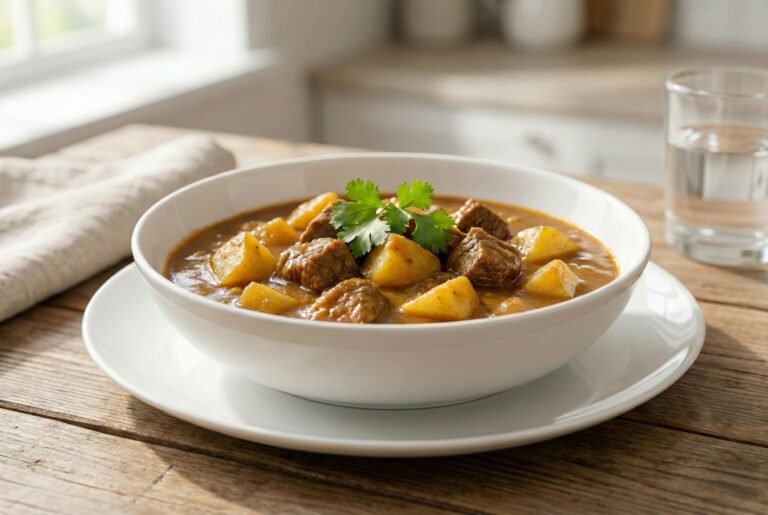
- Potatoes: Optional, but many Kenyan families love large chunks of potato cooked right in the rice (“Pilau ya Viazi”).
- Liquid: Use the broth from boiling your meat. Do not waste that flavor!
The Process
- Boil the Meat: Cook your beef with ginger, garlic, and salt until tender. Save the stock.
- Brown the Onions: Fry onions in generous oil until dark brown.
- Bloom Spices: Add the Pilau Masala, garlic paste, and the cooked beef. Fry until fragrant.
- Toast Rice: Add the washed rice and potatoes (if using). Stir gently to coat in oil.
- Simmer: Add your measured stock (usually 1.5 cups of liquid for every 1 cup of rice). Bring to a boil, then cover and reduce heat to the lowest setting.
- Steam: Let it steam for 20 minutes. Fluff with a fork.
Conclusion
Pilau is more than a recipe; it is a memory maker. It is the smell of Christmas morning, the center of the buffet at a wedding, and the comfort of a Sunday lunch.
Mastering this dish gives you a “hosting superpower.” So, buy some fresh spices, find a heavy pot, and fill your kitchen with the scent of the Swahili coast.
Start cooking now with our Official Kenyan Recipes App